

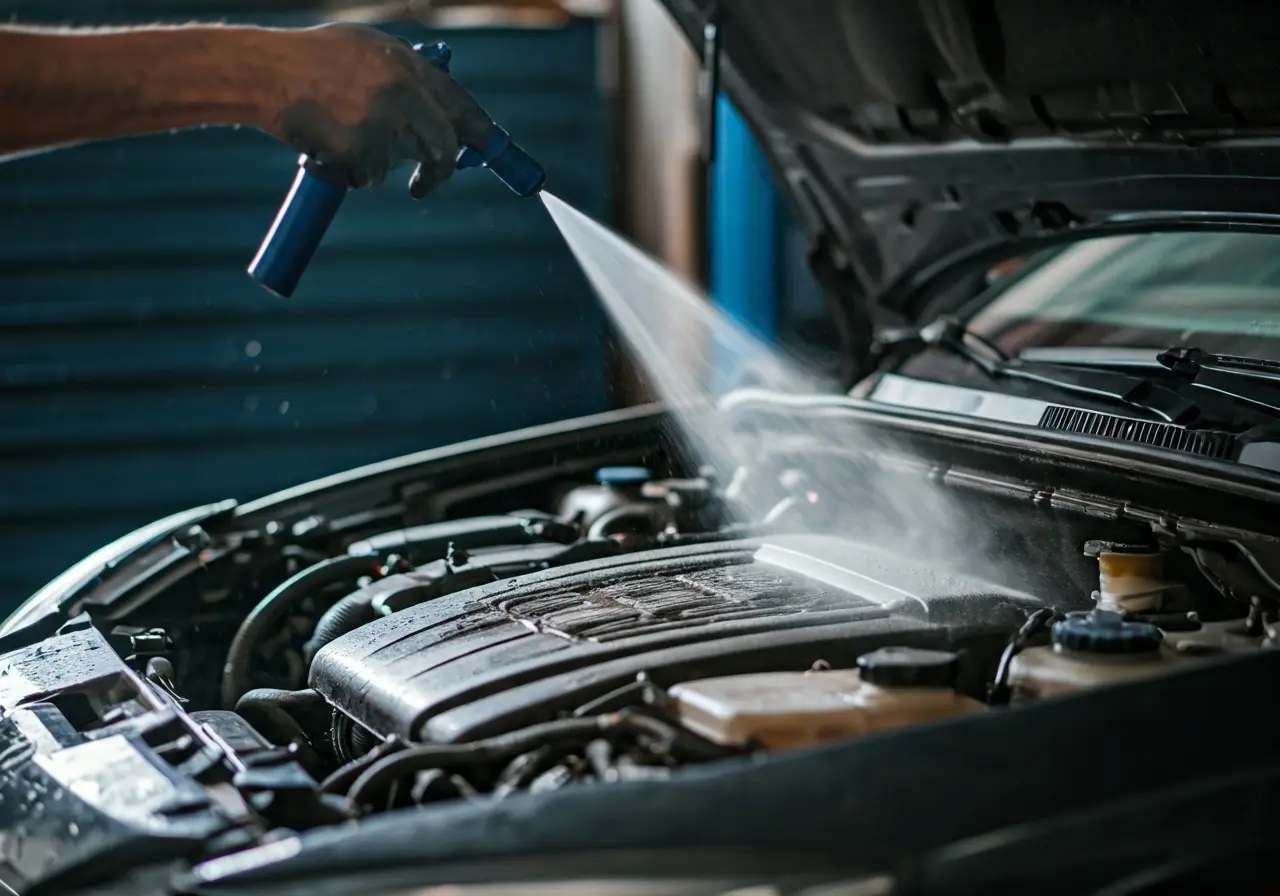
Keeping your car in top shape involves more than just regular oil changes and tire checks. One often overlooked aspect is the engine bay wash. But, can washing your engine bay actually protect your car from potential damages? Let’s dive in to find out.
What is an Engine Bay Wash?
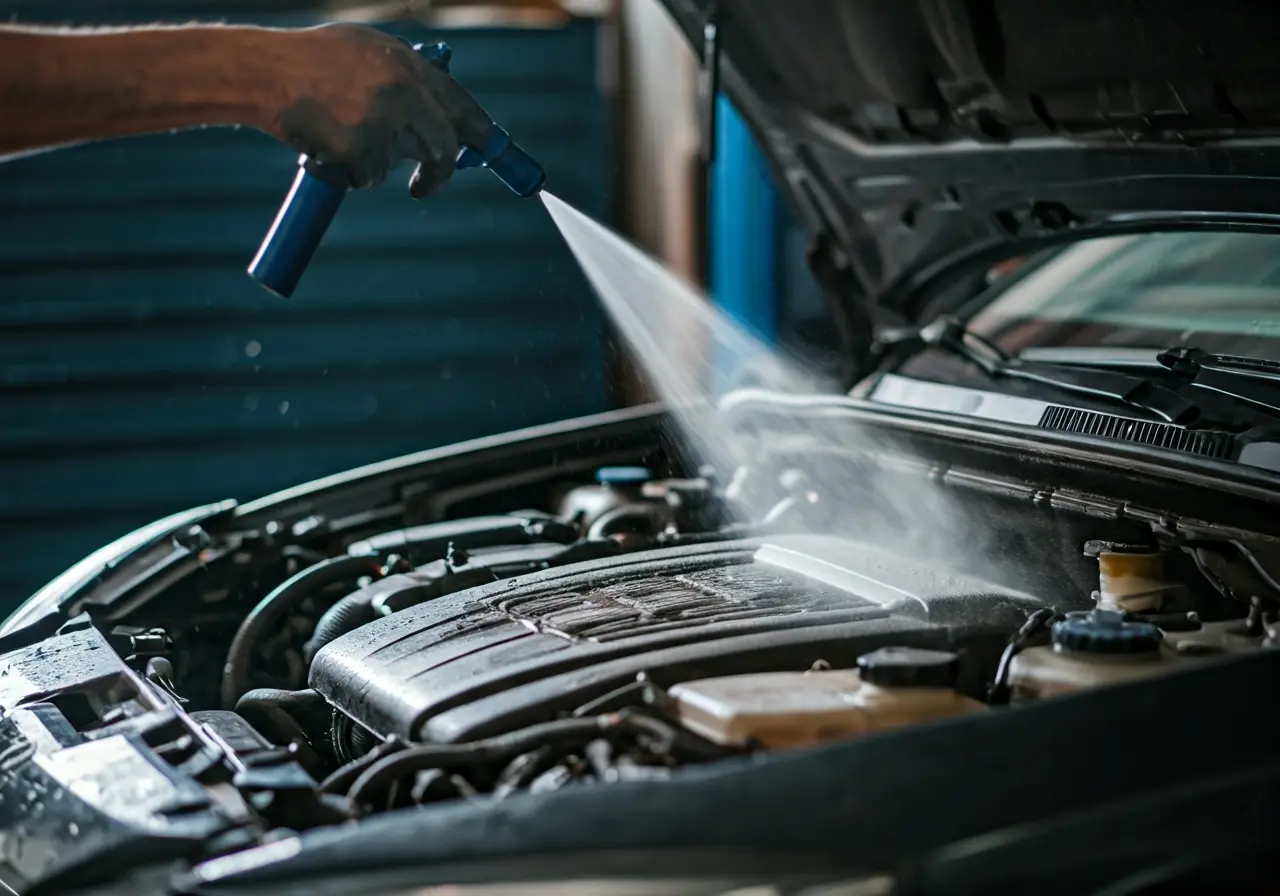
An engine bay wash involves cleaning the engine compartment of your car. This process helps remove dirt, grime, and debris that accumulate over time, potentially affecting performance.
The process typically involves using a combination of water, mild detergents, and brushes to clean the engine bay. It’s a careful procedure that requires attention to detail to avoid damage to sensitive parts.
By regularly undertaking an engine bay wash, you ensure that your car’s heart—its engine—is kept free from the pollutants and contaminants that could hinder its operation and performance.
Benefits of Regular Engine Bay Cleaning
Regular cleaning helps prevent corrosion, improves performance by eliminating grime that can affect engine components, and makes it easier to spot potential issues like fluid leaks.
Corrosion is a silent enemy of an engine. Keeping the engine bay clean is crucial because rust can gradually eat away at metal components, reducing their lifespan and reliability.
Moreover, maintaining a clean engine bay can boost the resale value of your car. Potential buyers often appreciate a well-maintained vehicle, and a clean engine bay can be a good indicator of a car’s overall health.
Another upside of a clean engine bay is improved heat dissipation. Engines naturally produce heat, and debris can trap excess heat, potentially leading to overheating. A debris-free engine bay allows heat to escape more efficiently.
How an Engine Bay Wash Can Prevent Damages
By removing contaminants and reducing the risk of corrosion, a clean engine bay can prevent costly repairs and ensure that your vehicle’s components function optimally.
Neglected dirt and grime can eventually lead to costly breakdowns. Keeping your engine bay clean could prevent these unwanted expenses by ensuring all mechanical components are functioning as they should.
Regular engine washes can also help identify potential issues early. Spotting fluid leaks or worn-out parts can be easier in a clean engine bay, providing an opportunity to address problems before they escalate.
While an engine bay wash won’t replace regular mechanical maintenance, it’s an essential element of a comprehensive care routine that supports your vehicle’s integrity and longevity.
Precautions When Washing Your Engine Bay
It’s crucial to take precautions, such as covering electrical components and using appropriate cleaning agents to avoid causing damage during the wash.
Always ensure the engine is cool before starting the cleaning process. Working on a hot engine can be hazardous and may result in burns.
Avoid high-pressure water streams near sensitive areas like the electronic control unit (ECU) and spark plugs. Low pressure ensures that water doesn’t seep into these components, which could cause malfunctions.
How Often Should You Wash the Engine Bay?
While it depends on driving conditions and vehicle use, a general recommendation is to wash your engine bay about twice a year.
For those driving in areas with harsh climates or on dirt roads, more frequent cleaning may be necessary to prevent build-up that can lead to damage.
Alternatively, if your car is seldom used or stored indoors, an annual engine bay wash might suffice to maintain its condition.
Final Thoughts on Engine Bay Washes
Incorporating regular engine bay washes can play a significant role in maintaining the overall health of your car, potentially preventing damage and extending its lifespan. While it shouldn’t replace routine mechanical maintenance, an occasional clean can go a long way in preserving your vehicle.










Leave A Comment