

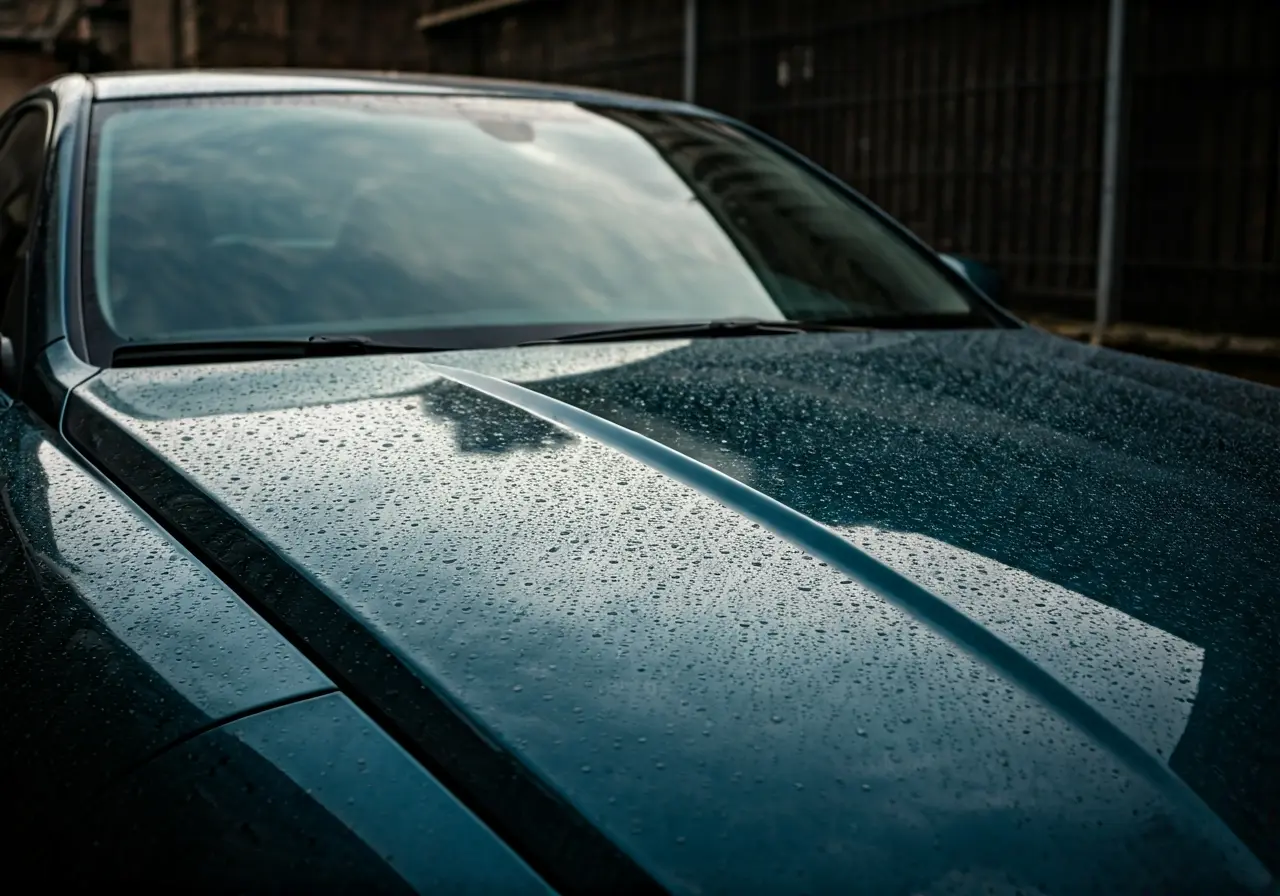
Keeping your car looking flawless isn’t just about regular washes. Stubborn tar spots can mar an otherwise spotless finish and seem daunting to address. But fear not! With the right information and tools, you can easily tackle these pesky blemishes.
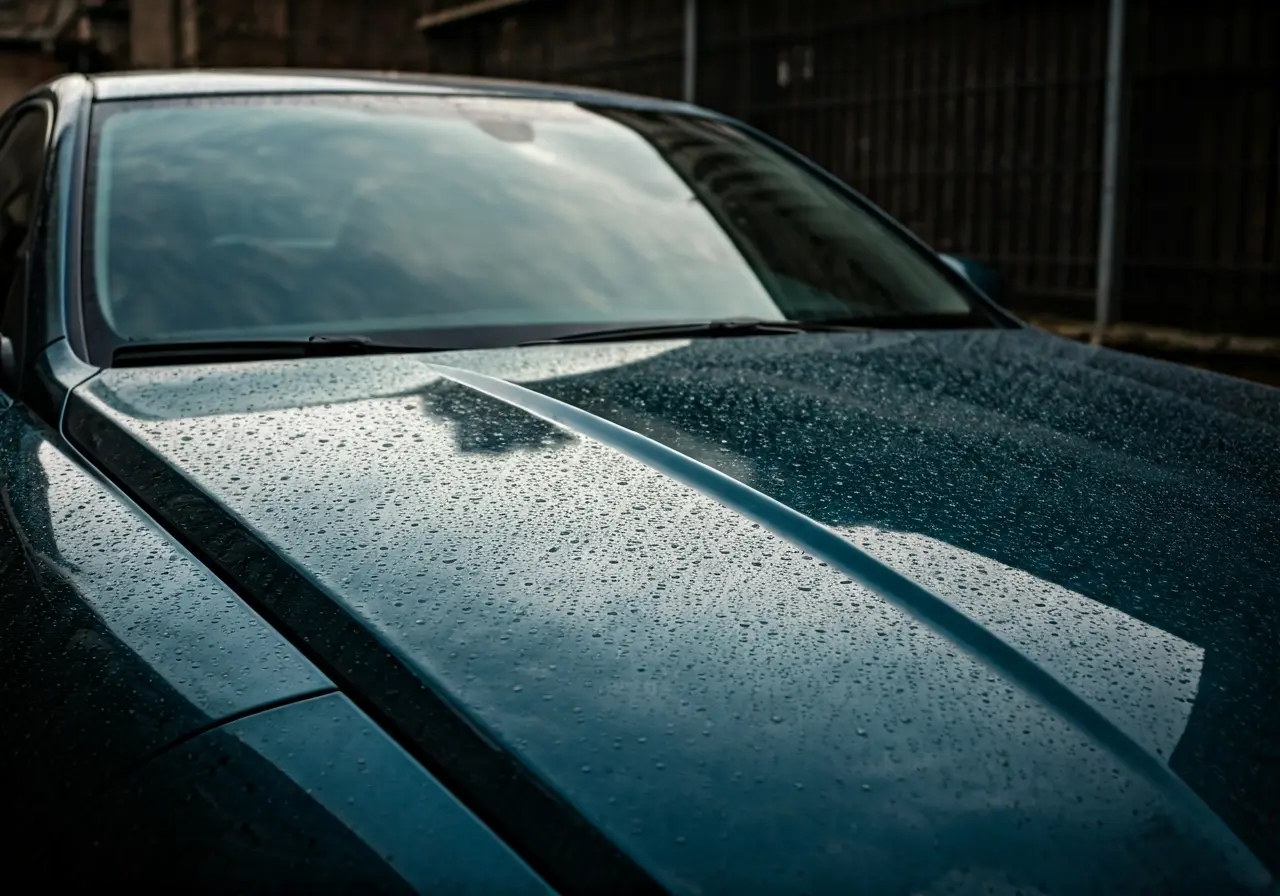
Understanding Tar Buildup on Cars
Tar is a sticky substance that can attach itself to your vehicle from roads and construction sites. Understanding why tar clings to your car’s surface helps in finding effective solutions. Typically, tar comes from the asphalt on roads, and when cars pass over fresh asphalt, small particles can become airborne and stick to the lower parts of the vehicle. These particles are not just an eyesore, but they can also damage your car’s clear coat if left unattended. Weather conditions also play a role in increasing tar deposits, especially during hot summer months when tar tends to be more molten. Knowing these factors equips you better in addressing tar buildup efficiently and accurately.
Visualize tar spots as tiny magnets for dirt and debris. Once tar adheres to your vehicle, it acts like a glue, trapping other pollutants and making the spots even harder to remove. Over time, if not properly addressed, they can lead to a dull and degraded finish on your car. This is why it’s crucial not only to remove the tar but also to understand why it accumulates. By comprehending the nature of tar, you empower yourself to not only react to problems but prevent them from ever becoming a significant headache.
Essential Tools for Effective Tar Removal
Having the right tools is half the battle. Here we’ll discuss essential tools like tar removers, microfiber cloths, and other helpful accessories to make the process smooth and efficient. A quality tar remover is pivotal, and you’ll find both chemical and natural varieties that cater to different preferences and needs. For example, a specialized tar remover can penetrate the adhesive qualities of tar without harming your vehicle’s paintwork.
Microfiber cloths are indispensable in this process. They not only assist in applying the tar remover but also help in wiping away residue without scratching the car’s paint. Unlike traditional cloths, microfiber is designed to pick up particles more effectively, ensuring a cleaner finish using microfiber cloth efficiently. In addition to cloths, having a bucket of warm soapy water can aid in a final cleaning and rinsing process, helping to remove any leftover chemicals from the car’s surface. It’s always wise to have a set of gloves to protect your hands while dealing with chemical removers too.
Another handy tool is a clay bar, which can be used in tandem with other products to refine your car’s finish. The clay bar technique, often praised by car enthusiasts, provides extra smoothness once the tar is loosened and mostly removed. By gradually gliding the clay bar across affected areas, you can achieve not just cleanliness but an enhanced shine, ensuring your vehicle looks as good as new.
Step-by-Step Guide to Removing Tar
Follow this easy step-by-step guide to safely remove tar from your car without damaging the paint. With simple instructions, even beginners can achieve professional results. Start by parking the car in a shady spot; heat from direct sunlight can cause cleaning solutions to evaporate too quickly, reducing their effectiveness. Initiate the cleaning process by rinsing the area with water to remove any loose dirt or grime. This initial rinse is crucial for preventing scratches during the cleaning process.
Next, apply the chosen tar remover generously onto a microfiber cloth, then gently rub the affected area. Allow the remover to sit for a few minutes as it works to dissolve the tar. Use small, circular motions with the cloth to lift the tar while reducing the risk of paint damage. If tar persists after the first attempt, reapply the remover and repeat the process. Once the tar is eliminated, wash the area with soapy water, then rinse to ensure all residues are removed. Dry the car with a clean, dry microfiber cloth to reveal your renewed, spotless finish.
Preventing Tar Build-Up in the Future
Prevention is the best cure. Learn tips and tricks for avoiding tar buildup, keeping your car clean and shiny for longer periods. One effective method is using car wax, which creates a protective layer on your vehicle’s paintwork, reducing its susceptibility to tar adhesion. Regular application of car wax makes it easier for future tar spots to be washed away with a simple rinse. Consider using pre-treatments and sealants that incorporate advanced polymers to further shield the paint.
Another prevention strategy is planning your routes carefully to avoid freshly paved roads. If an unavoidable circumstance arises and you must drive through construction zones, aim to do so at reduced speeds to lessen tar splatter. Additionally, frequent car washes help maintain a tar-free surface, yet ensure the soap and water used in detergents do not strip away protective coatings over time. Implement these practices regularly to maintain a gleaming, tar-free vehicle effortlessly.
Achieve a Pristine Car Finish with Ease
Tar removal doesn’t have to be an arduous task. With the right techniques and tools, you can preserve that stunning car finish without breaking a sweat. Remember, consistency is key, and with these tips at your disposal, your car will surely turn heads on the road.







Leave A Comment