

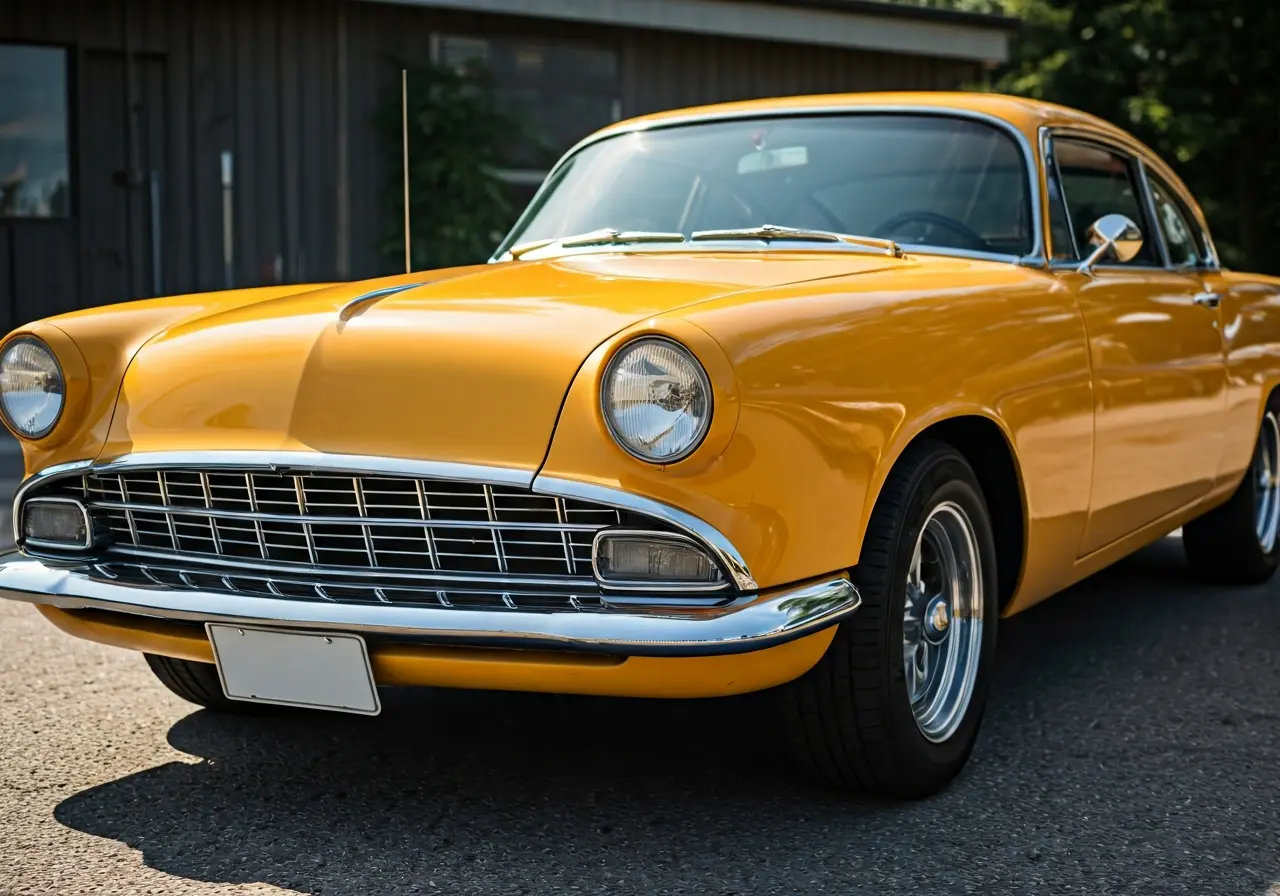
Car buffing is an essential skill for any car enthusiast or owner looking to keep their vehicle looking its best. If you’re new to car buffing, don’t worry! This guide will walk you through the basics, tools, and techniques you need to bring that mirror-like shine to your car’s surface.
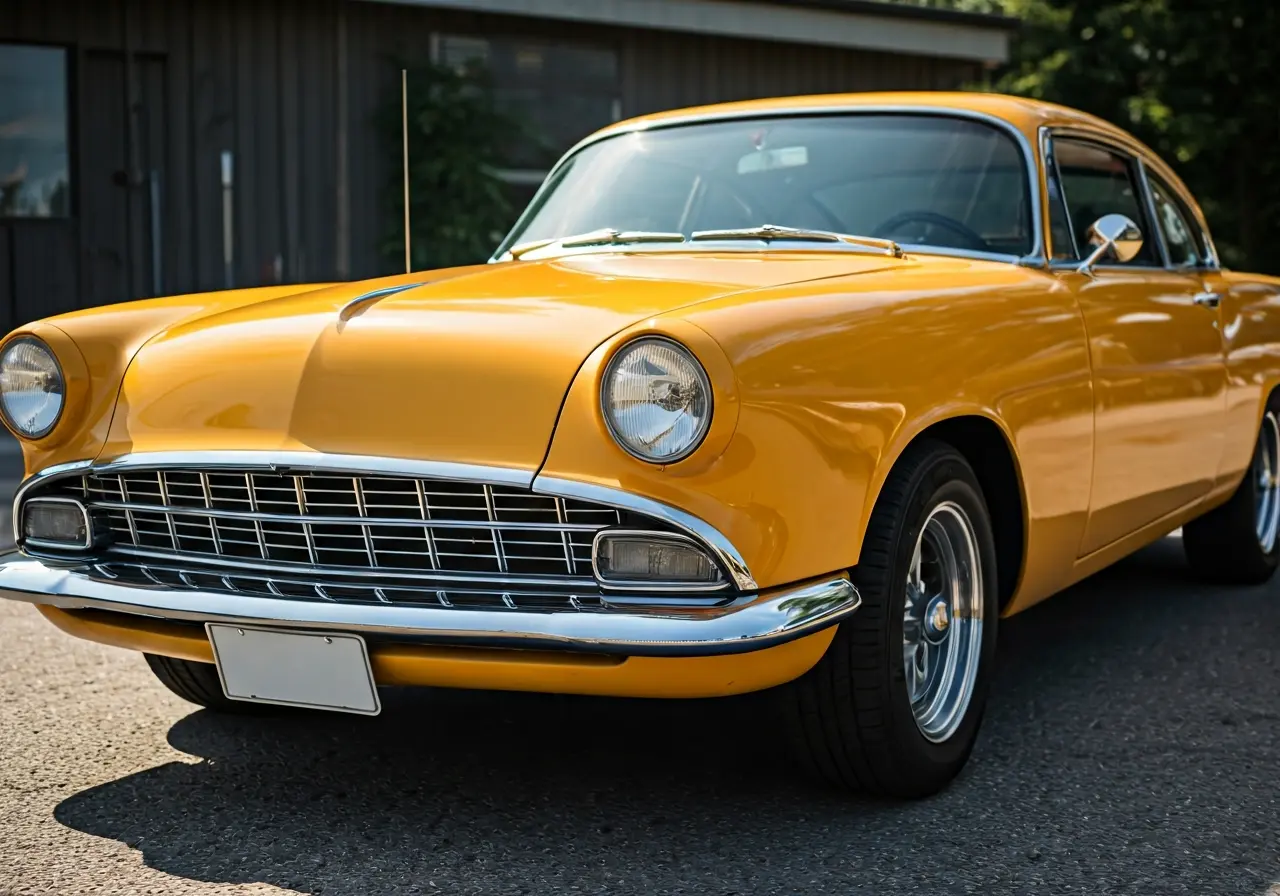
Understanding Car Buffing: What and Why
Before jumping into the hands-on part, it’s vital to understand what car buffing actually is and why it’s important. Buffing is the process of removing a thin layer of paint to eliminate scratches, scuffs, and other surface imperfections, resulting in a smooth, glossy finish. But why go through the trouble of buffing your car in the first place? Well, not only does it enhance the aesthetic appeal of your vehicle, but it also adds a protective layer against the elements.
Buffing is akin to giving your car a mini makeover, restoring its original luster while simultaneously preserving its paintwork. It’s especially beneficial if your car has been subjected to rough weather or simply daily wear and tear. Regular buffing can significantly extend the lifespan of your car’s paint, preventing oxidation and fading that leads to a dull appearance. Understanding the basics of car buffing means recognizing its role in maintaining surface integrity and value.
Essential Tools and Materials for Car Buffing
To get started with car buffing, you’ll need the right tools and materials. Let’s start with the polisher. You might wonder how to pick the perfect one when there are so many options. Generally, for beginners, a dual action polisher is recommended due to its ease of use and versatile nature. This tool helps to avoid the creation of swirl marks and excessive wear on the car surface.
Next, you need buffing pads and compounds. Buffing pads come in various textures—soft for polishing and coarse for cutting. Choosing the right pad also depends on the type of car finish you are dealing with. Compounds are equally important as they determine the level of abrasion. It’s all about finding the right balance between cut and polish.
Lastly, don’t forget about safety gear—gloves, goggles, and a dust mask are essential to protect yourself during the process. With these tools at your disposal, you’re well equipped to start buffing your car. These supplies are investments into maintaining the beauty and longevity of your vehicle, ensuring that your hard work pays off with a breathtaking shine.
Step-by-Step Guide to Buffing Your Car
Here, we’ll break down the buffing process into easy, manageable steps. Start by thoroughly cleaning your car to remove any dirt or grime that can potentially scratch the paint during buffing. It’s essential that the surface is spotless before you begin, as even the smallest particles can lead to unwanted damage.
Once the car is clean, inspect the surface for scratches or imperfections. Apply a small amount of the chosen buffing compound to the pad. Begin with a lower speed setting on your polisher to evenly distribute the compound. Gradually increase the speed, using a side-to-side motion to cover a larger surface area. Always keep the polisher moving to avoid excessive heat buildup which can harm the paint.
As you polish, frequently check your progress. This meticulous approach allows you to catch any areas that may need extra attention. After you’ve achieved the desired smoothness, switch to a polish pad for the final touch. This step enhances the shine, elevating your car’s look. Patience is key—take your time to ensure the best results like a pro.
Common Mistakes to Avoid When Buffing
Mistakes can happen, especially with beginners. One frequent error is using too much compound or applying too much pressure on the polisher. These actions can lead to buffer trails or burns in the paint. Always use the least aggressive approach first—you can apply more force or product as needed.
Another mistake is neglecting to properly clean the buffing pads. Dirty pads can introduce contaminants to the paint, exacerbating the problem you aimed to solve. It’s essential to maintain them just as you would any other tool. Additionally, pay attention to your environment. Buffing in direct sunlight or extreme temperatures can dry out compounds too quickly, making them less effective and hard to remove.
Lastly, trying to rush the process is a common pitfall. Trying to complete the task quickly can lead to an uneven finish and more time spent fixing errors later on. So remember, take your time, follow each step with precision, and your efforts will yield a dazzling, flawless finish.
Tips for Maintaining Your Car’s Shine
Once you’ve achieved that stunning shine, maintaining it is the next challenge. Regular washing with a pH-balanced cleanser helps to preserve the polish without stripping away the protective wax layer. Also, consider using a quality sealant or wax after buffing to lock in the shine and provide a protective barrier against the elements.
Another essential tip is to park your car in a shaded area or use a car cover when possible. This helps in reducing exposure to harsh weather conditions that can dull the finish over time. Furthermore, quick detailing sprays are excellent for touching up in between washes and enhance the gloss whenever needed.
Finally, set aside time for regular inspections of your car’s paint. Early detection of imperfections means you can handle any issues before they escalate. By following these simple yet effective maintenance tips, you can prolong your car’s mirror-like gloss.
Wrapping Up Your Buffing Journey
Car buffing doesn’t have to be daunting. With the right tools, techniques, and a little patience, you can transform the look of your car all by yourself. Start with understanding your equipment and practice on a small area before tackling the entire vehicle. Enjoy the process of learning and watch your car shine bright!






Leave A Comment