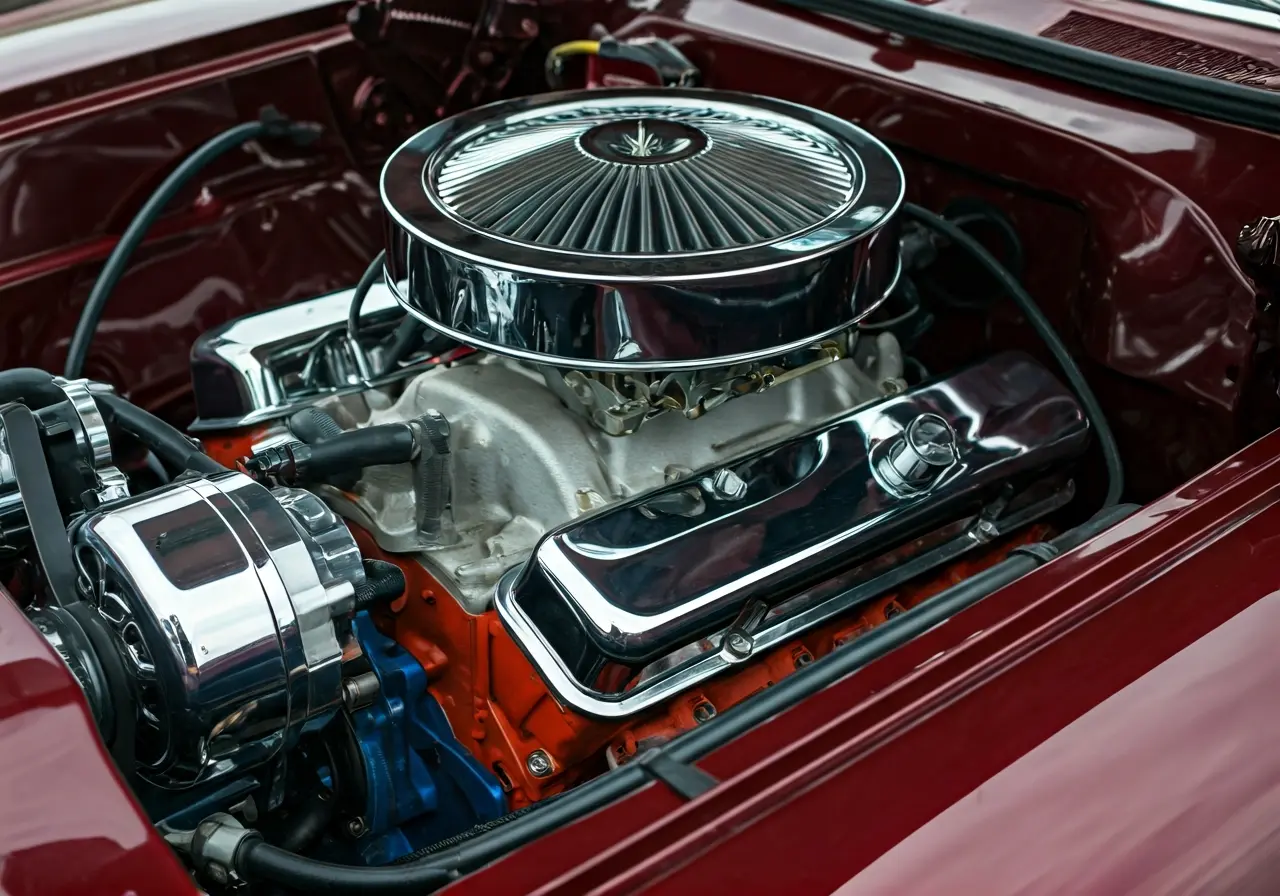
Keeping your engine bay clean not only helps with maintenance but also keeps your car looking its best. With our friendly guide, you’ll easily learn how to achieve a spotless engine bay wash without any fuss.
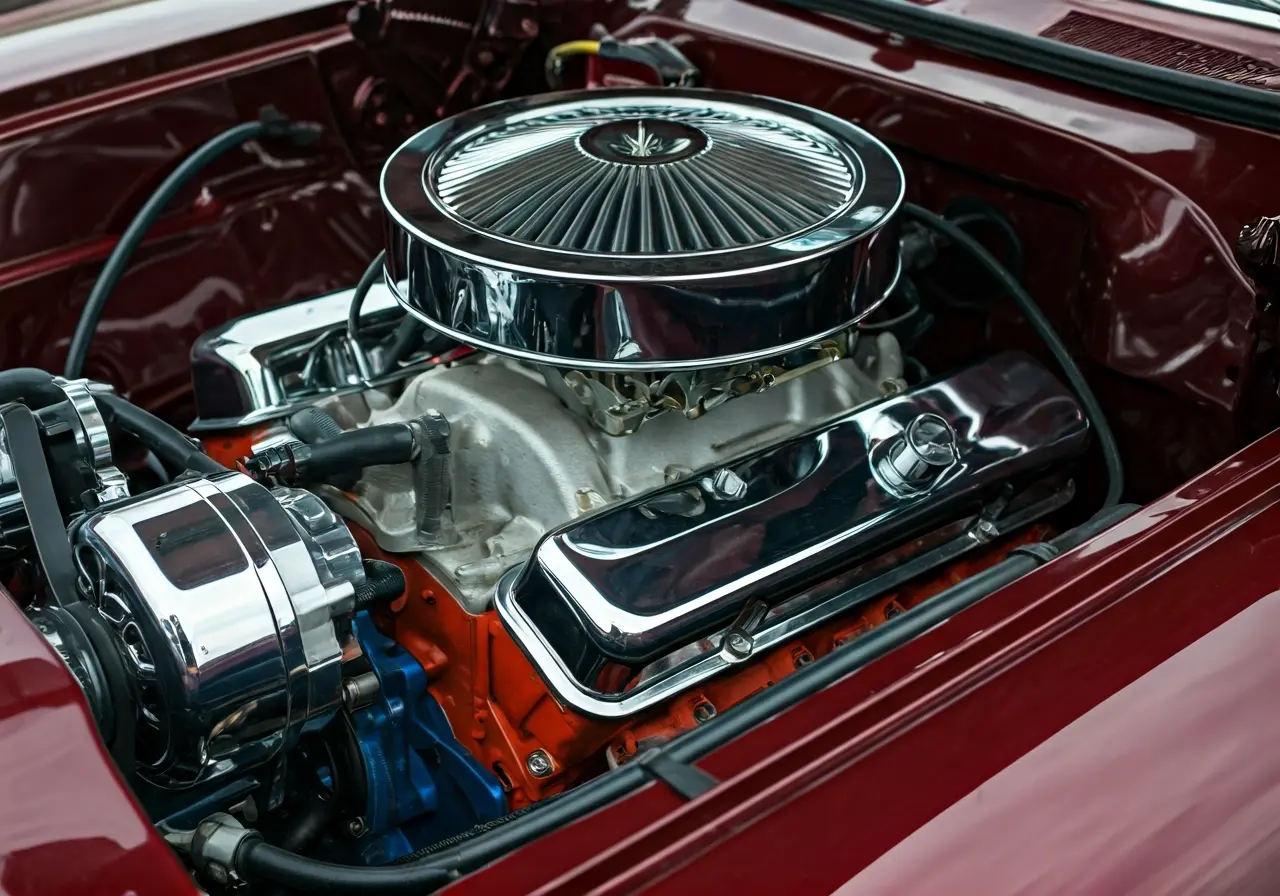
1. Understanding the Importance of a Clean Engine Bay
Keeping your engine bay clean is more than just about appearances. It can prevent potential issues and prolong the life of your engine. Over time, dust, grime, and oil can accumulate, causing corrosion and impacting performance. A regular cleaning routine ensures these elements don’t stay hidden in the crevices of your engine, slowly eating away at its components.
A well-maintained engine bay can assist in identifying leaks and other issues early on, preventing costly repairs in the future. If you notice a buildup of dirt or oil, it might indicate a bigger problem such as an oil leak or a coolant issue. Addressing these concerns early not only saves money but also ensures your vehicle runs efficiently.
2. Gathering Your Tools and Equipment
Before starting your engine bay wash, make sure you have all the right tools, including a degreaser, soft brushes, and protective gear. Having these on hand simplifies the process and ensures you’re prepared for any stubborn dirt and grease you might encounter.
Choosing the right brushes is essential—soft bristled brushes allow you to reach every nook and cranny without scratching the delicate surfaces. Additionally, wearing protective gear like gloves and goggles ensures your safety from harsh chemicals and splashback. Preparing everything ahead of time not only smooths out the process but also elevates your confidence in tackling this task.
3. Safety Precautions to Keep in Mind
Ensure your car is off and cool to prevent any accidents. Protect electrical components with plastic bags or wraps. This step is crucial as rushing into cleaning a still-hot engine can result in burns or damage to sensitive parts from the sudden temperature shift facilitated by cold water and cleaning agents.
Keep in mind that residual chemicals or water can compromise the functionality of electrical systems if not adequately covered. Paying attention to these details makes the cleaning process smoother and protects your vehicle’s intricate electrical system from unintended damage or short-circuiting.
4. Choosing the Right Cleaning Products
Select products that are specifically designed for engine cleaning to avoid damage to components and the environment. This may include biodegradable degreasers for those who are environmentally conscious. Always check labels for ingredient lists to prevent introducing harsh chemicals that can corrode or degrade materials under your hood.
Using specialized cleaners not only ensures thorough cleaning but also prolongs the life of each component. With a range of products available, doing a bit of research to choose the best fit for your engine type goes a long way toward achieving a spotless finish.
5. Degreasing for a Deep Clean
Apply a degreaser generously on all greasy surfaces, allowing it to break down stubborn grime. It’s important to let the product sit for the recommended timeframe, usually a few minutes, to penetrate and loosen entrenched dirt and grease.
During this rest period, the degreaser works to emulsify the oils, enabling them to be easily wiped or washed away. This step takes patience, but the result is a cleaner, more efficient engine—a small investment for significant gains.
6. Brushing Away Dirt
Use soft bristles to scrub away loosened dirt, focusing on crevices and hard-to-reach spots. The brush helps agitate the surface, effectively lifting away anything the degreaser softened.
Be gentle yet thorough; the goal is to remove grime without damaging sensitive parts. In no time, once inaccessible areas will be free of dirt, giving your engine a near-factory finish.
7. Rinsing Thoroughly Yet Carefully
Rinse off the degreaser with low-pressure water to avoid splashing sensitive parts. A spray bottle or garden hose with a nozzle offers the control necessary to manage the washing process while minimizing impact on delicate components.
It’s crucial to monitor the water flow, ensuring it carries away the grime and degreaser without inundating and potentially damaging electronics. Precautionary measures align cleanliness with care, preserving the delicate network of components essential for your car’s performance.
8. Drying the Engine Bay Properly
Use a microfiber towel or a leaf blower to thoroughly dry the area, preventing water spots. This step is as important as rinsing, as moisture left unchecked can lead to rust or deterioration of electronic elements.
A leaf blower serves dual purposes: blowing away moisture and any remaining degreaser residues, ensuring no unwanted chemical traces remain. Attentive drying ensures your engine bay is not only spotless but also protected from potential moisture-related issues.
9. Protecting and Shining Components
Use protectants to keep plastics and rubbers moisturized and shiny, giving your engine a polished look. Products infused with UV protectants prevent fading and cracking from sun exposure, complementing the cleaning efforts with protective foresight.
Incorporate this step into your cleaning routine to enjoy lasting results. The application is straightforward—use a cloth to spread the protectant evenly across all susceptible surfaces, ensuring they are covered thoroughly yet sparingly.
10. Regular Maintenance for Engine Longevity
Establish a routine cleaning schedule to maintain cleanliness and watch for emerging problems. Regular inspections can prevent small issues from escalating into major repairs, providing peace of mind for car enthusiasts and everyday drivers alike.
Consider adopting a seasonal approach, adjusting your cleaning schedule to accommodate varying weather conditions which can impact engine performance. Consistent care not only reaps mechanical benefits but also cultivates a sense of pride in automotive maintenance.
11. Avoiding Common Mistakes
Learn from common mishaps such as using high-pressure water or not protecting electrical components. Overenthusiastic cleaning efforts can sometimes do more harm than good, undermining your engine’s integrity rather than safeguarding it.
A methodical, measured approach to each step, from degreasing to drying, ensures you avoid pitfalls that contradict the purpose of a clean, efficient engine bay. Awareness and careful execution serve as your best safeguards against common misjudgments.
12. Embracing the Engine Bay Aesthetic
Consider going beyond cleaning and explore options like engine bay styling for an enhanced visual appeal. Custom paint jobs or stylish covers can transform the look of your engine bay, adding a touch of personalization to your vehicle.
If customization is not your preference, maintaining a pristine, clean engine bay still enhances the overall aesthetic of your car. It reflects dedication and meticulousness—a testament to superior car care provided by H2O Car Valeting.