


Car hand washing is a popular method for cleaning vehicles that many car owners swear by. It’s often praised for its attention to detail and ability to provide a gentle clean. But is a car hand wash suitable for all types of vehicles? Let’s explore this topic and find out.
What is a Car Hand Wash?
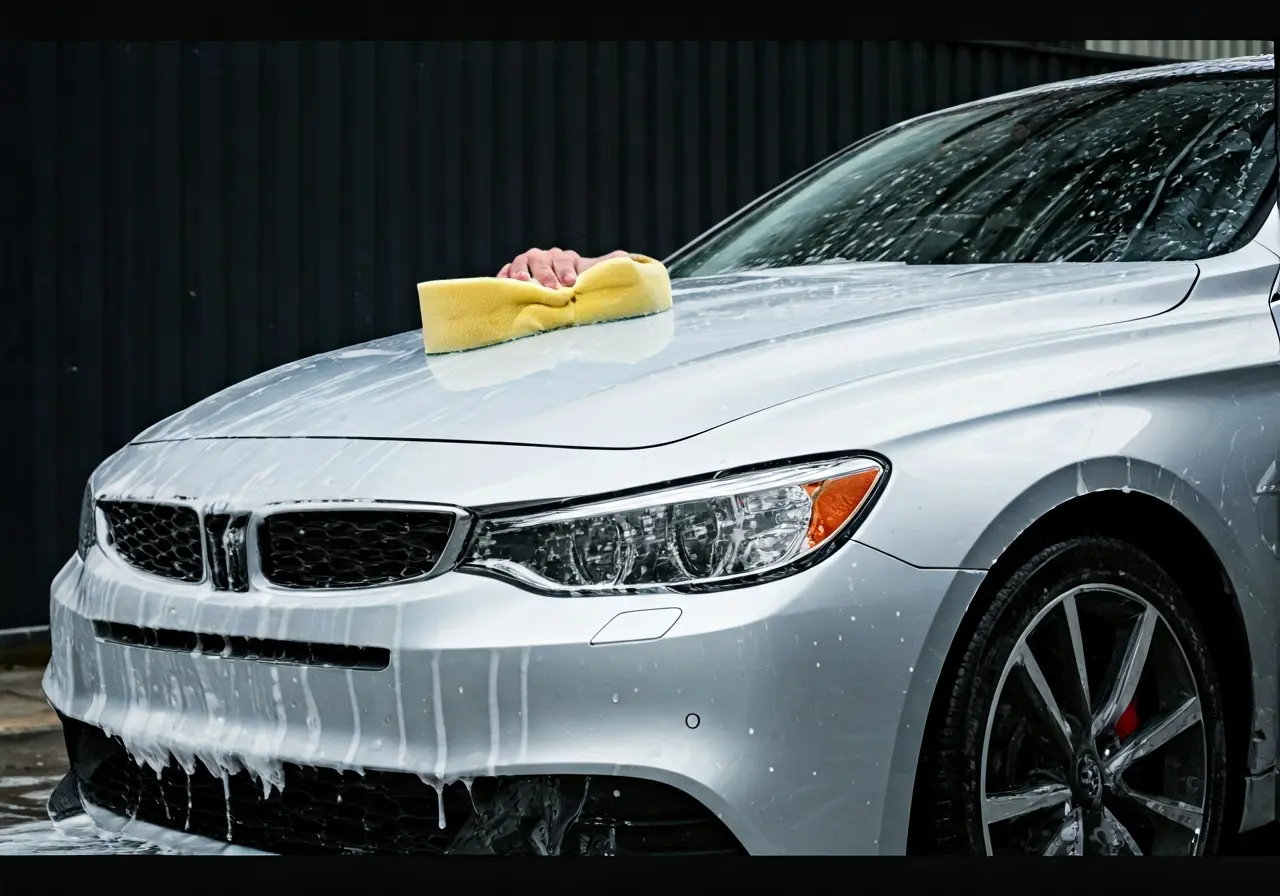
A car hand wash involves cleaning a vehicle using manual techniques instead of automated machines. Typically, this method uses buckets, sponges, and specialized soap.
The art of hand washing a car relies on precision and care, allowing for meticulous attention to detail. This approach ensures that areas often missed by automated systems, such as side mirrors or lower bumper sections, receive adequate cleaning. This personalized method is ideal for those who treat their vehicles as more than just transportation.
Because hand washing allows for complete control over the cleaning process, it provides an opportunity to identify potential issues, like minor paint scratches or areas where rust might begin to form. This proactive approach can ultimately extend the life and appearance of a vehicle.
Benefits of Hand Washing a Car
Hand washing provides a thorough and gentle clean, making it easier to remove stubborn dirt and detect any scratches or damages.
A major benefit of hand washing over automatic methods is the ability to tailor the cleaning approach to the specific needs of the vehicle. Different areas may require different pressure or types of cleaning agents, which are easy to adjust when washing by hand.
Using the right tools and techniques, hand washing can also protect the paint from abrasives often found in automatic car washes. This kind of detailed care is particularly advantageous for maintaining the resale value of the vehicle by keeping the exterior in pristine condition.
Considerations for Different Vehicle Types
Different vehicles have varied cleaning needs. For instance, luxury cars may require special soaps, while off-road vehicles might need pressure washing for tough dirt.
Sports cars, with their aerodynamic shapes and specialized finishes, might benefit greatly from a gentle yet thorough hand wash, avoiding the risk of scratching associated with automatic bristles. Luxury cars, with sensitive features like retractable mirrors and soft-top roofs, also require a manual touch to avoid potential damage.
Some vehicles, such as large trucks or those with intricate detailing, can benefit from adjustable cleaning methods. Hand washing provides the flexibility to focus on these unique aspects and ensure a comprehensive clean without overlooking important features.
Can Hand Washing Affect Different Vehicle Materials?
Materials like chrome, aluminum, and plastic require different care levels. A proper understanding ensures these materials are maintained correctly.
When hand washing cars with chrome fittings, it’s important to use non-abrasive cloths and pH-balanced cleaning solutions to preserve the shine and prevent tarnishing. Similarly, special attention should be paid to aluminum surfaces, which can easily be marred by acidic cleaners.
Plastics and rubber components, often found in window trim or bumper guards, require conditioners to prevent drying and cracking. Hand washing provides the opportunity to apply these treatments sparingly and directly where needed, which can be overlooked in automatic processes.
Using Hand Wash on Vintage Vehicles
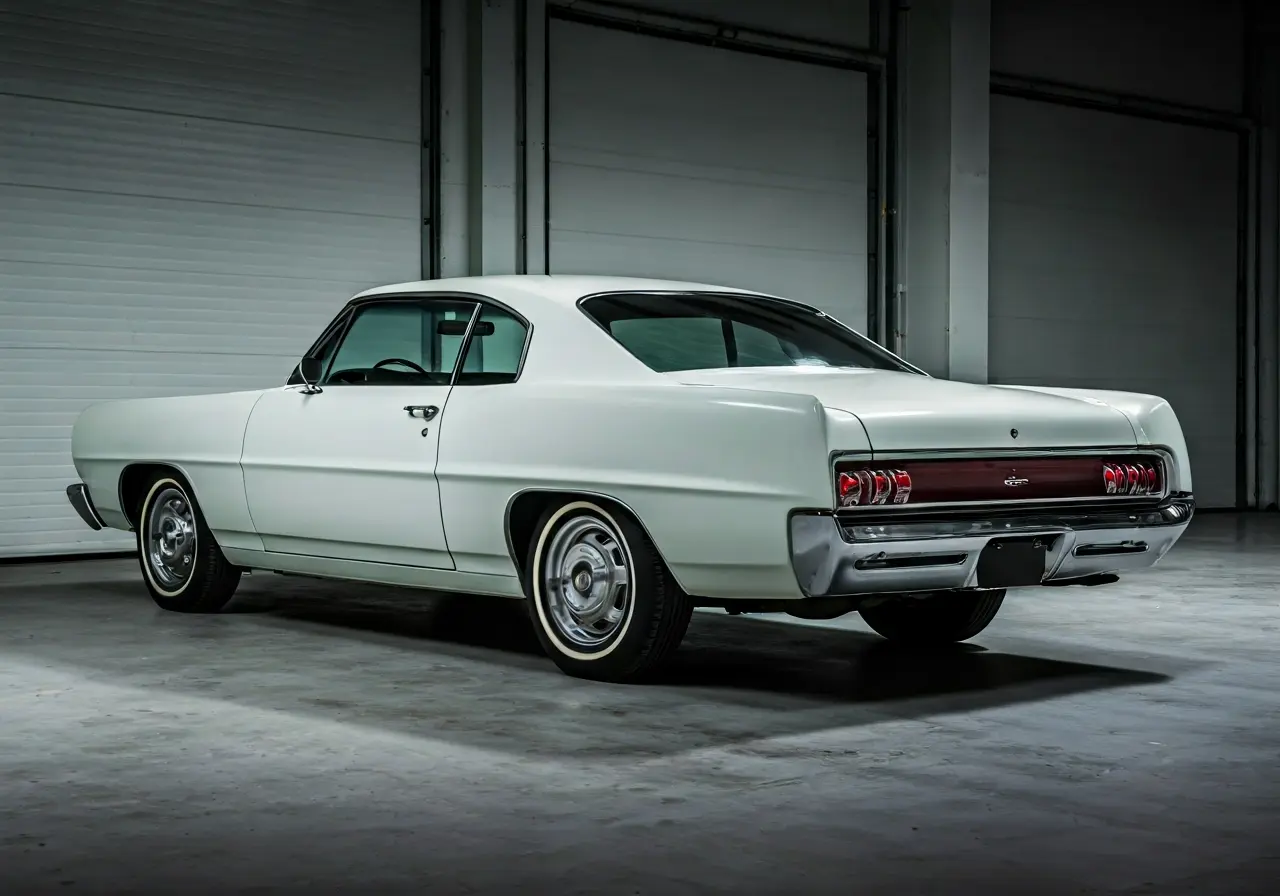
Vintage cars often have delicate paints and parts. Hand washing can be an effective method but requires caution to preserve their condition.
The patina of vintage vehicles is one of their most cherished attributes, and maintaining this while cleaning is crucial. Hand washing allows for gentle cleaning that respects these older finishes and prevents abrasive harm.
Given the age and fragility of vintage cars, manual washes enable owners to use products specifically designed to enhance and protect historical paints and other unique materials, preserving the vehicle’s original charm for generations to come.
Hand Washing vs. Automatic Car Washes
Understand the differences and when it might be more appropriate to choose one method over the other based on your vehicle’s needs.
Hand washing takes longer but offers a more personalized experience that ensures each part of the vehicle receives attention. This contrasts sharply with the speed and convenience of automatic car washes, which are ideal for regular, though less nuanced, cleanings.
Cost can also be a deciding factor. Although more expensive upfront, hand washing can prove to be more economical over time by preventing damage that may occur with automatic methods. This preservation of the vehicle’s aesthetics and function can reduce repair costs and maintain value.
Final Thoughts on Hand Washing Vehicles
While hand washing a car offers many benefits, it’s important to consider the specific needs of your vehicle type. Not all vehicles will require the same treatment, and understanding the best practices can help maintain their condition over time. Always consult your vehicle’s manual or a professional if in doubt.






Leave A Comment