

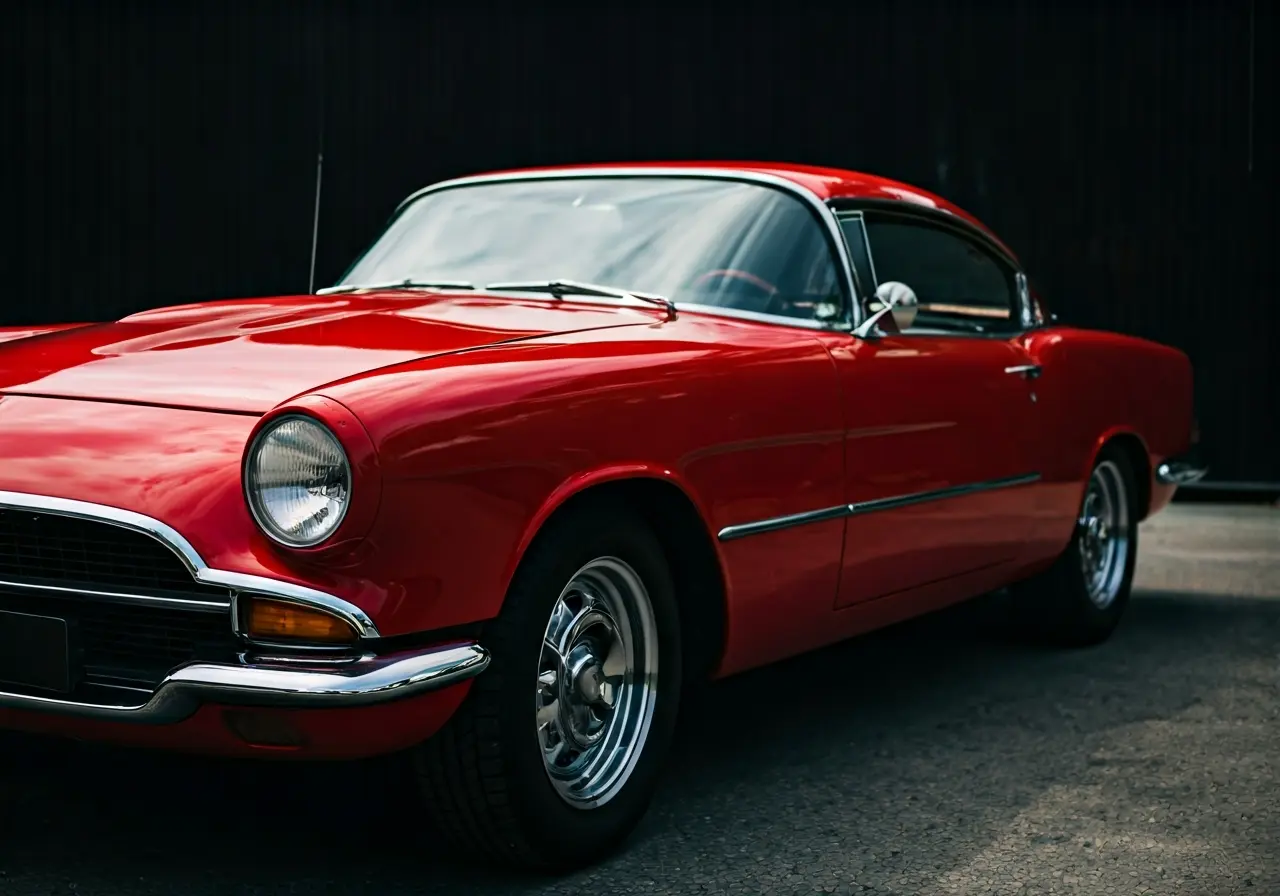
When it comes to maintaining your car’s aesthetics, scratches and marks can be a real headache. Car polishing is often presented as a solution, but can it really remove all those blemishes? In this FAQ, we’ll explore the capabilities and limitations of car polishing when it comes to tackling scratches and marks.
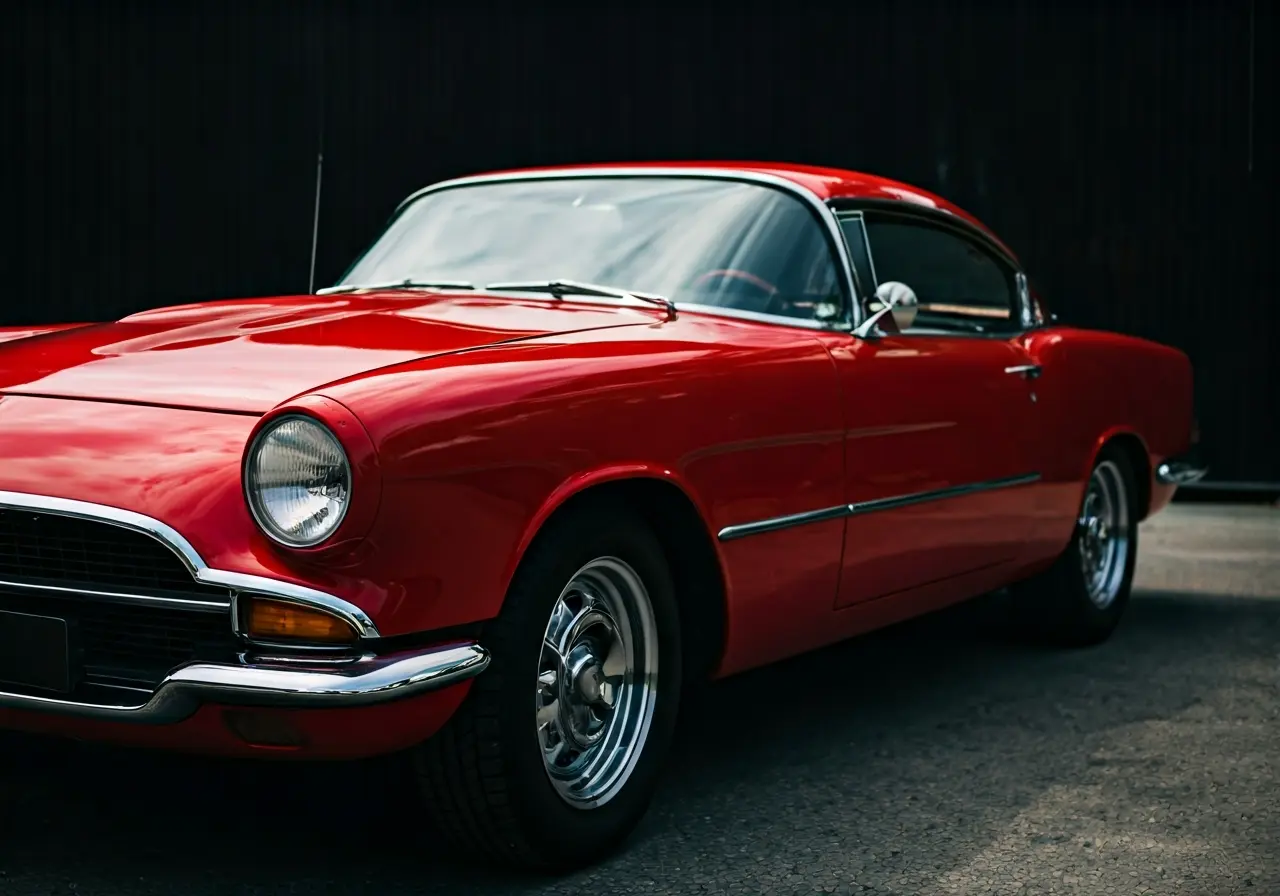
Understanding Car Polishing
Car polishing involves using abrasive compounds to smooth the surface and remove a thin layer of paint, leveling out imperfections. It’s important to know what polishing can realistically achieve.
At the core of car polishing lies its ability to enhance shine while minimizing the appearance of small scratches. It’s a process that delicately abrades the surface, helping to blend minor imperfections with the surrounding paint. The goal is to make your car look as new as possible without compromising the integrity of the paintwork.
Despite its effectiveness, car polishing isn’t a one-size-fits-all solution. It’s best used as a preventative measure to maintain the luster and smoothness of your vehicle’s paint. Understanding when and how to polish your car can help extend the life of its finish.
Identifying Types of Scratches
Scratches can range from minor surface ones to deep cuts into the paint. Knowing the difference helps determine whether polishing is the right solution.
Surface scratches, often called swirl marks, are usually the result of improper washing or drying. These can usually be polished out with ease. On the other hand, deeper scratches that are visible even under varying light conditions may require additional treatment beyond polishing.
It’s essential to assess the depth and severity of scratches before attempting to polish them away. Minor defects are often no match for a quality polish, whereas deeper gouges may necessitate professional intervention to restore the paint to its former glory.
When Polishing Works Best
Light scratches, swirl marks, and oxidation are ideal for polishing. These are minor imperfections that can be smoothed out with a good polish.
Polishing shines most when it comes to dealing with common surface issues. It’s particularly effective in restoring the aesthetic of vehicles suffering from fading or oxidized paint. This process can rejuvenate the paint, giving it a glossy finish and prolonging its life.
As a rule of thumb, if your fingernail doesn’t catch on a scratch, there’s a good chance it can be polished out. This makes polishing a practical choice for everyday wear and tear that doesn’t penetrate deeper layers of the paint.
Limitations of Car Polishing
Polishing has its limits. It cannot remove deep scratches, paint chips, or dents. For these, other methods like touch-up paint or professional repair might be necessary.
While polishing can significantly improve a car’s appearance, there are inherent limitations that users must acknowledge. Deeper scratches often require more aggressive treatments such as sanding or repainting, which are beyond the capabilities of simple polishing.
It’s also important to note that excessive polishing can lead to paint thinning, reducing the protective layer on your car. Regularly assess your vehicle’s condition to avoid over-polishing and keep your car’s paintwork healthy.
Tips for Effective Car Polishing
For the best results, use the right tools and products, follow a systematic approach, and be mindful of your car’s paint condition. Regular maintenance can help keep your car looking shiny and new.
Choose products specifically designed for your car’s paint type when polishing. This ensures that the abrasives work as intended without causing damage.
Consider using a dual-action polisher, as it offers a balanced approach, minimizing the risk of damage while providing effective results. Always practice on a small area first to ensure you’re comfortable with the technique.
Regular maintenance and polishing go hand in hand to sustain your car’s exterior. Consistent upkeep not only enhances your vehicle’s appearance but also fosters pride in ownership.
Setting Realistic Expectations for Car Polishing
While car polishing can significantly improve the appearance of your vehicle by removing or minimizing light scratches and marks, it’s not a magic solution for all types of damage. For deeper scratches or surface damage, additional treatments or professional help might be necessary. Understanding the extent of what polishing can achieve helps in setting the right expectations and ensuring the longevity of your car’s finish.






Leave A Comment