


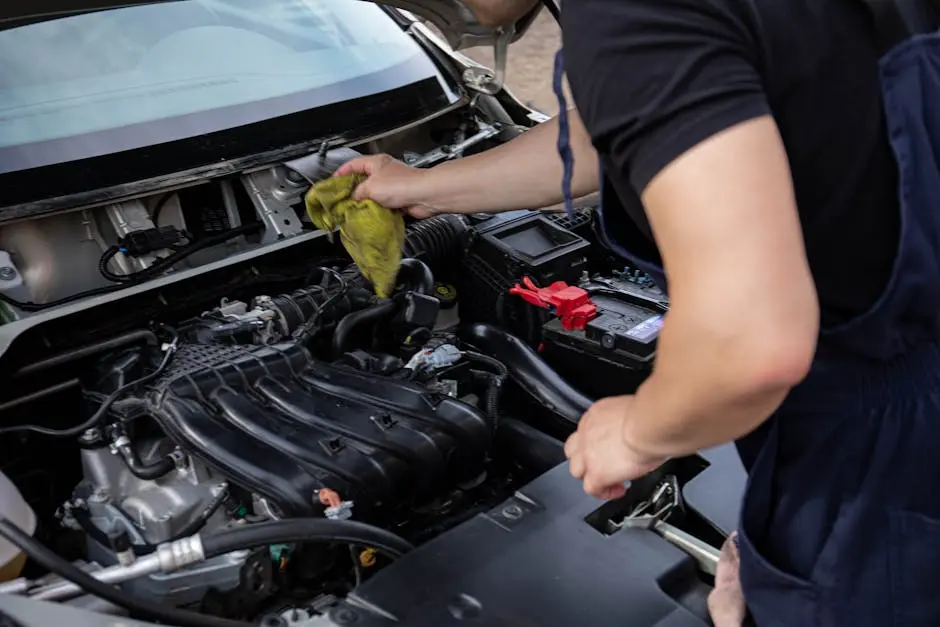
Keeping your car engine clean is more than just a matter of aesthetics; it’s about maintaining good vehicle health and ensuring optimal performance. In this blog, we’ll explore essential tips and techniques for mastering the art of engine cleaning with ease and efficiency.
Understanding the Importance of Engine Cleaning
Engine cleaning isn’t just about keeping things looking good. Dirt and grime can build up, potentially causing engine parts to overheat or wear down prematurely. A clean engine contributes to better performance and longevity. By keeping your engine free from contaminants, you help maintain efficient fuel consumption, which can save you money in the long run. Moreover, it can also be a way to diagnose potential issues early on, as a clean engine makes leaks or other markers of wear more visible. Thus, engine cleaning isn’t merely an aesthetic choice; it’s an essential part of car maintenance that can save you from future headaches.
A neglected engine may lead to significant mechanical problems. Over time, the accumulation of dust and debris can clog important components. For instance, the radiator fins can become obstructed, leading to inadequate cooling of the engine. This can cause the engine to overheat, which might result in expensive repairs or, worse, irreparable damage. Regular cleaning mitigates these risks, ensuring that every drive is smooth and trouble-free. Furthermore, a clean engine can contribute to lower emissions, which is not only beneficial for the environment but also helps in passing stringent emission tests with flying colors. Therefore, embracing engine cleaning is a proactive approach to caring for both your vehicle and the environment.
Gathering the Right Tools for the Job
Before you begin, ensure you have all the necessary tools and cleaning agents. This typically includes a degreaser, soft-bristle brushes, microfiber cloths, and a garden hose or pressure washer. However, not all vehicles are the same, and some engines may require special attention. Make sure to consult your car’s manual for any specific cleaning instructions or warnings. Having the right tools not only makes the process more efficient but also safeguards your engine’s components from damage. A well-rounded tool kit is your first step towards achieving that factory-fresh look under the hood.
Different engines may necessitate different cleaning products. Choosing the right degreaser is crucial, as some are designed for heavy-duty cleaning while others are more suited for lighter tasks. Opt for a biodegradable option when possible, since these are less harmful to the environment and won’t damage your driveway. Moreover, items like specialized engine scrubbing pads can be particularly useful for targeting those hard-to-reach areas. Equipping yourself with a complete set of tools ensures you can handle any engine cleaning challenge with confidence, knowing you’ll emerge successful and leave your engine spotless and gleaming.
Preparing Your Car for Engine Cleaning
Safety first! Make sure the engine is cool to the touch and disconnect the battery. Cover sensitive components like the alternator, air intake, and electrical connectors with plastic bags. This preliminary step is vital to protect electrical systems from water exposure, which can lead to malfunction or corrosion. Taking these precautions may seem tedious, but they are essential for preventing damage and ensuring a safe cleaning process. Remember, it’s always better to be safe than sorry — a few minutes of preparation can save hours of repair time down the line.
Think of engine cleaning preparation as setting the stage for successful maintenance. Ensuring your workspace is well-lit and organized can greatly improve your efficiency and effectiveness. Paper towels and absorbent mats can be used to catch any spills, maintaining cleanliness and reducing cleaning time post-engine wash. Ensuring that you have easy access to fresh water makes rinsing easier, and it helps to keep a bucket handy to hold any dirty cloths or sponges. A little organization goes a long way in making the whole process smoother and more manageable. Implement these tips, and you’ll be ready to tackle your engine cleaning with professionalism and precision.
Step-by-Step Engine Cleaning Guide
Start by applying the degreaser and letting it sit for a few minutes. Use a brush to scrub away the grime, focusing on particularly dirty areas. Rinse carefully with a moderate water spray to avoid soaking electronic components. Remember to recheck and re-cover any sensitive parts that may have come uncovered during the scrubbing. This step is crucial in ensuring water does not cause any electrical faults or damage critical engine parts.
The key to success in engine cleaning lies in your technique. Work systematically from the top down, allowing gravity to assist in moving loosened dirt and sludge away from the engine. Pay special attention to areas where oil and grime tend to accumulate, such as around the valve cover. Once you have finished rinsing, allow the engine to air-dry, or use compressed air for speedier results. Thorough drying helps prevent moisture-related issues, particularly with electrical components. After the engine is completely dry, remove any protective covers and reconnect the battery, being careful not to skip any reconnection steps. A smooth reconnection means you’re just a few steps away from a fully cleaned and operational engine.
Finally, take a moment to assess your work. A well-cleaned engine should show visible results: fewer dirt spots, newfound gleam, and an overall cleaner environment within the engine bay. Beyond the aesthetics, you should also observe a smoother and potentially quieter performance when the engine is running, as minimized friction from grime translates to heightened efficiency. At this point, relax and enjoy the satisfaction that comes from a job well done and be prepared to reap the benefits, such as extended engine life and improved fuel efficiency, all thanks to your meticulous engine cleaning efforts.
Tips for Maintaining a Clean Engine
Regular maintenance is key. Incorporate a quick wipe-down into your regular car washing routine. This prevents dirt from accumulating and makes deep cleaning much easier. Consider setting a schedule to inspect and clean your engine externally every few months, or after arduous road trips where you anticipate more exposure to dust and debris. The earlier you catch dirt and grime build-up, the easier it is to manage.
Utilize protective sprays designed to repel dirt and grime, keeping your engine cleaner for longer. Additionally, examine your vehicle’s engine compartment for potential dirt traps and regularly clear them. It’s also worthwhile to periodically check the undershield for dirt and debris accumulation, as this can affect airflow and engine performance. Consistent care and preventive measures will not only contribute to the longevity of your car’s engine but will also maintain its resale value should you decide to sell in the future.
Making Engine Cleaning a Part of Your Routine
With these simple yet effective tips, mastering engine cleaning can become an integral part of your vehicle maintenance routine. A clean engine is not just about looks—it’s about performance, durability, and peace of mind. Happy cleaning!










Leave A Comment