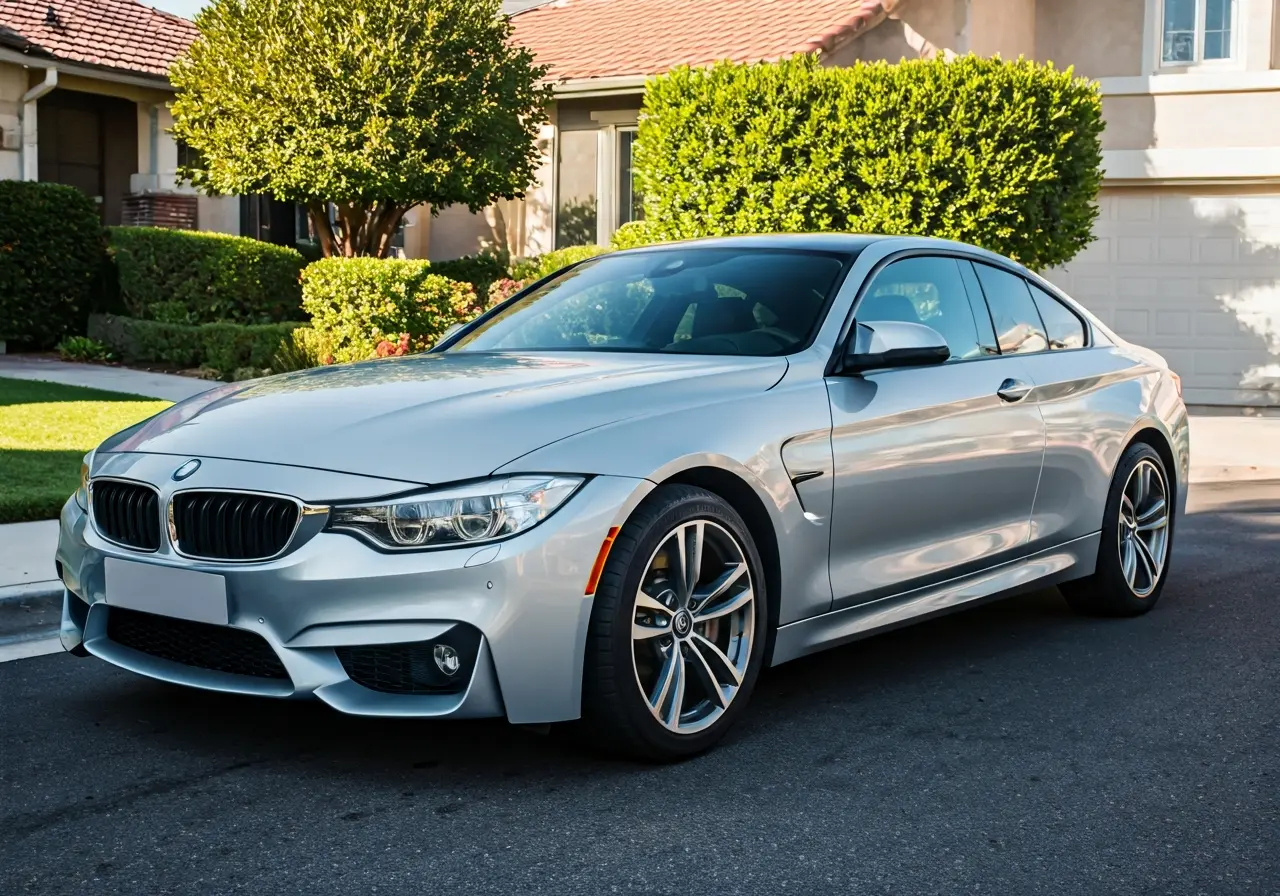
Choosing the right car wax is essential for maintaining your vehicle’s shiny appearance and protecting it from environmental damage. With so many options available, it can be overwhelming to determine which one suits your vehicle best. In this guide, we’ll explore the key factors that make up the best car wax for your needs.
Understand the Different Types of Car Wax
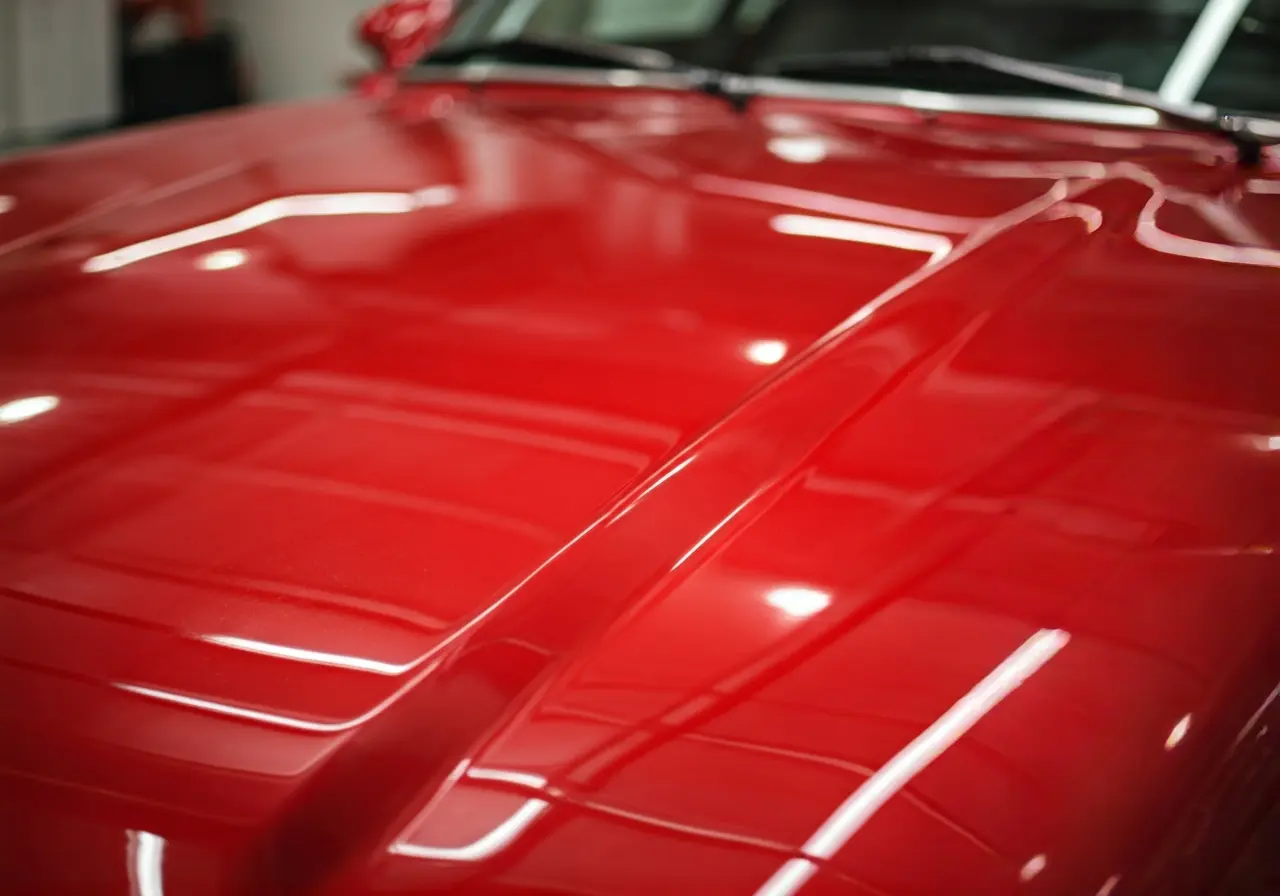
Car wax comes in various forms, including paste, liquid, and spray. Each type has its advantages: paste wax offers durability, liquid wax is easy to apply, and spray wax is convenient for quick touch-ups.
Paste car wax is often considered the classic choice. It requires a little extra effort to apply by hand, but its durable finish can last for months, making it a favorite among many car enthusiasts. Liquid waxes, on the other hand, have gained popularity due to their ease of application and are excellent for frequent use. They’re particularly effective for covering large surface areas quickly, appealing to those who prefer a speedy car maintenance routine. Finally, spray wax offers a convenient option. It’s perfect for quick touch-ups and maintaining a vehicle’s pristine look between full waxing sessions.
Choosing the right form depends largely on your individual needs and lifestyle. If you’re someone who enjoys spending time on detailed car care, paste wax could be a rewarding choice. Alternatively, if you’re short on time or new to car waxing, liquid or spray options might be more suitable. Each form has the potential to provide a protective layer that enhances your car’s paintwork; it all comes down to what you value most in a waxing product. No matter the form, the end goal is the same: a beautiful, well-protected vehicle.
Consider Your Vehicle’s Condition and Age
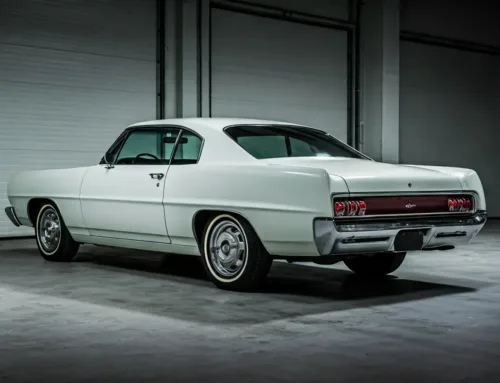
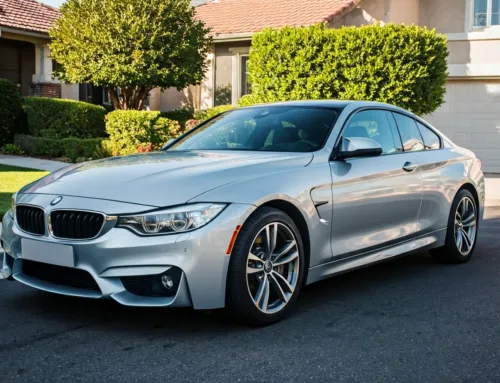
Older cars or those with more wear and tear may benefit from a wax that offers high paint protection. Newer cars can focus on high-gloss finishes. Always choose a wax that caters to your car’s specific needs.
When considering your vehicle’s condition, think about the kind of environment it has been exposed to. Has it faced harsh weather conditions, or has it been safely garaged? Cars that have braved the elements often have more visible damage, such as fading paint or small scratches. In such cases, a wax with added protective elements and conditioners can help restore some of the car’s original glory. For new vehicles, however, the main aim might be maintaining that showroom finish. A high-gloss wax can augment the allure of a shiny, new car, helping it retain that fresh look for longer.
It’s also important to take note of any specific challenges your car faces. For example, does your vehicle have a special, custom paint job? If so, using the right wax is crucial in preserving its unique shine. By carefully assessing the condition and age of your vehicle, you can make an informed choice that extends its overall appearance and longevity.
Evaluate the Climate and Driving Conditions
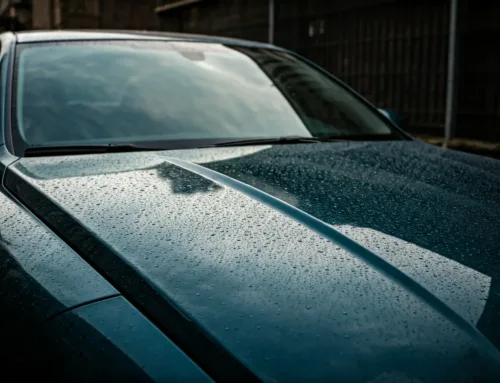
Your local climate affects how well a wax performs. In areas with high sun exposure, UV protection is vital. For wet climates, a water-repellent wax would be more suitable.
Think about your daily driving conditions. Do you frequently travel on dusty roads or through areas with heavy rain? These factors play a significant role in determining which car wax will serve you best. For instance, if you live in a sunny region, prolonged UV exposure can damage both the paint and the interior of your vehicle. Opting for a wax that specifically mentions UV protection could prevent your paint from fading prematurely.
For those residing in wetter areas, a water-repellent wax can help keep your car cleaner for longer periods. It assists in forming a barrier against rain, mud, and other environmental contaminants, which can erode the paintwork over time. Tailoring your choice to align with your specific environmental circumstances will better ensure your car’s finish stays bright and enduring.
Check for Additional Protection Features
Beyond shine and gloss, some waxes provide extra benefits such as scratch resistance or UV protection. Consider what additional features are important for your vehicle’s protection.
Modern car waxes often go above and beyond basic shine enhancement. Many formulations now include added preservatives that prevent scratching from everyday occurrences, like contact with branches or abrasive cleaning materials. Advanced waxes may even offer chemical resistance, repelling pollutants and environmental acids that can degrade a car’s surface.
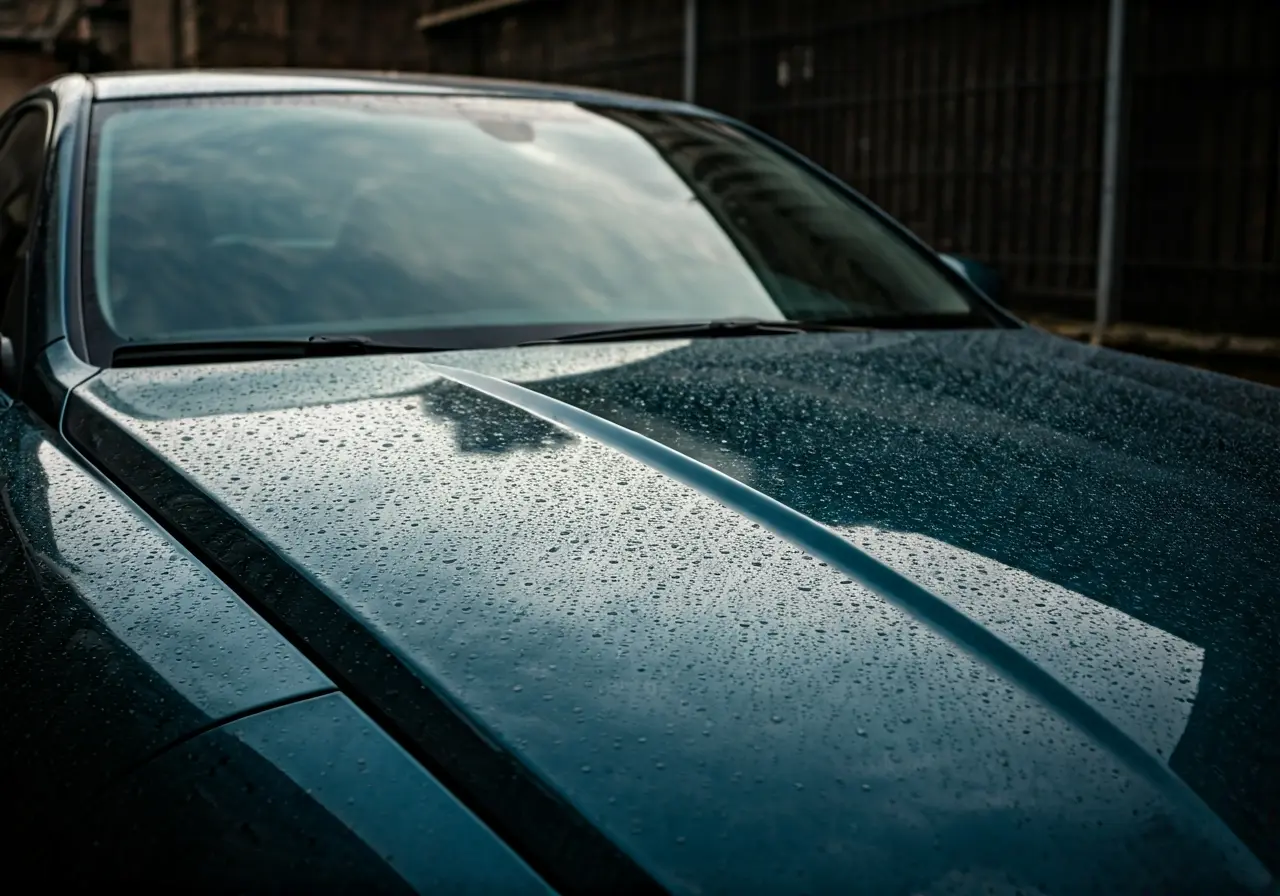
As technology advances, manufacturers continue to develop innovative features within their waxes, such as hydrophobic properties that cause water to bead and roll off surfaces effortlessly, leaving fewer spots and marks. These enhancements not only keep the vehicle looking terrific but also ensure it remains in peak condition in the long run. Being informed about these additional benefits can significantly influence your decision and help you choose a wax that extends beyond basic aesthetic improvement.
Select the Best Car Wax for Your Vehicle
Finding the best car wax for your vehicle involves a careful consideration of factors like car type, wax type, and your personal maintenance preferences. By understanding your vehicle’s specific needs, you can select a wax that not only enhances its shine but also provides lasting protection.