

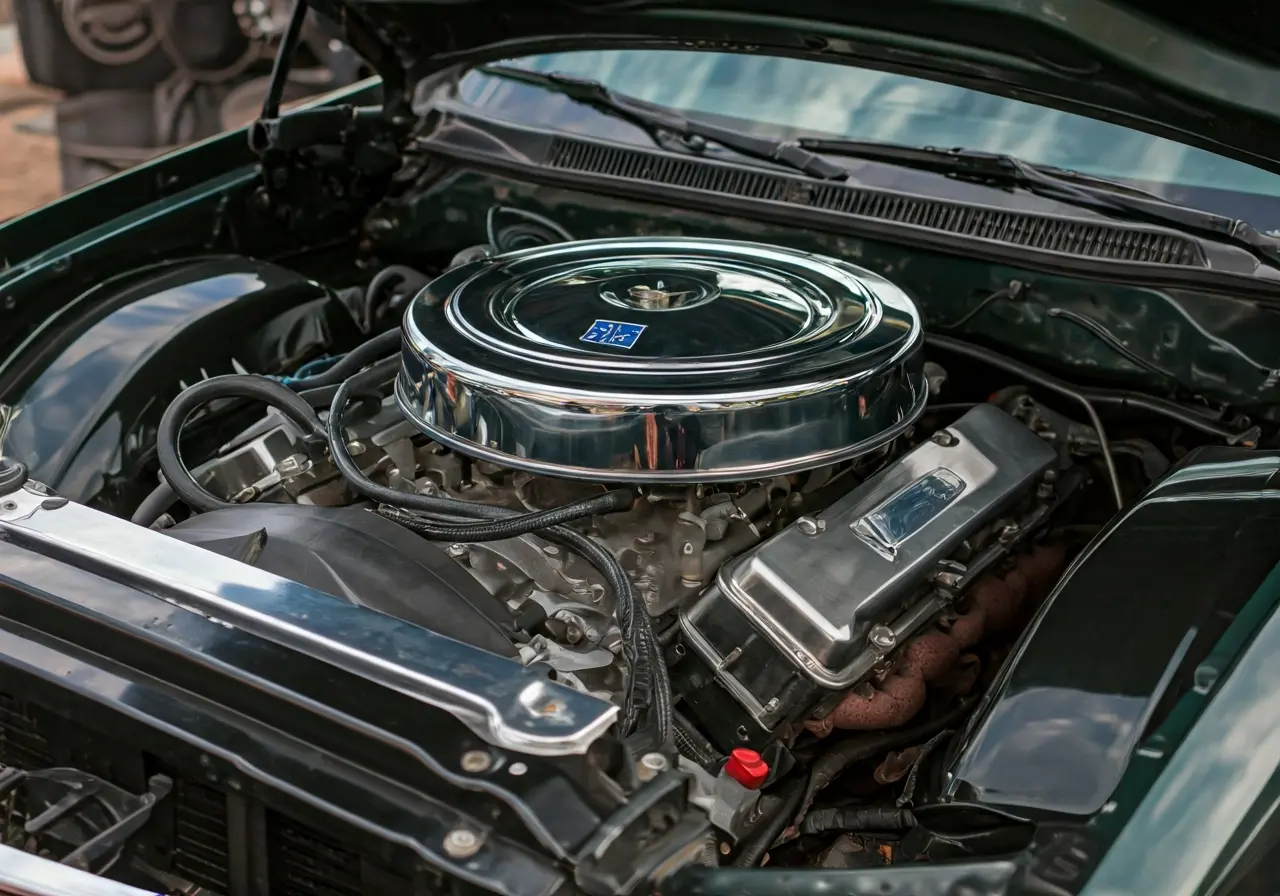
Washing your engine bay might seem daunting, but with the right guidance, it can be a straightforward task. Avoiding common mistakes is key to ensuring your car runs smoothly and looks its best. Let’s explore some errors people often make when cleaning their engine bay and how to avoid them.

1. Skipping the Initial Inspection
Before diving into the cleaning process, it’s crucial to inspect the engine bay for any glaring issues. Identifying leaks or loose wires early can save you from potential disasters. A brief look around can prevent accidents or further damage. Spotting these issues means you can repair them before they become bigger problems during washing. Skipping this step is a common mistake that can lead to costly repairs.
Think of the initial inspection as a pre-flight check for pilots. Just as they ensure everything is in order before takeoff, car owners should do a similar inspection to guarantee a safe, effective wash. Even if everything seems fine at first glance, remember that dirt can hide defects that might only become apparent once cleaned. Taking a few minutes to check the engine bay can pay off in the long run.
2. Using a High-Pressure Washer Recklessly
While it might be tempting to blast away dirt with a high-pressure washer, using it carelessly can damage sensitive components. Gentle rinsing is preferable for delicate areas. High-pressure washers can force water into places it shouldn’t reach, such as electrical connections or filters, possibly causing electronic malfunctions or even engine stalling.
Instead, consider using a low-pressure setting or even a garden hose for most of the cleaning. The goal is to simplify the process and safeguard your vehicle’s components. Patience and precision can ensure that all dirt and grime are removed without any collateral damage to your engine bay.
3. Neglecting to Cover Electrical Components
Water and electronics don’t mix well. Always cover essential electrical parts, such as the battery and fuse box, with plastic bags or special covers to prevent damage. This simple precaution can prevent water from seeping into crucial areas, potentially saving you from costly repairs.
Think of it as putting on a raincoat when you’re stepping out into a storm. Not only does it help keep parts dry, but it also gives you peace of mind during the cleaning process. Taking a few moments to properly cover these parts can save you from expensive and time-consuming issues later.
4. Choosing the Wrong Cleaning Products
Using harsh chemicals can corrode parts of your engine. Opt for cleaners designed explicitly for vehicles to avoid unwanted damage. Specific automotive cleaners are formulated to be tough on grime and safe for your vehicle’s components.
The importance of using the right products can’t be overstated. Imagine using a household cleaner on your car’s paintwork—it would deteriorate the finish, right? The same applies to the engine bay. Ensure you check the cleaning product’s label or ask for recommendations specific to your vehicle type. It’s a small step that can prevent significant damage.
5. Ignoring the Safety Gear
Protecting yourself is just as important as protecting your car. Gloves and eye protection are essential when dealing with chemicals, to prevent injuries or irritations. It might feel cumbersome at first, but considering the possible harmful effects of these substances, protective gear can make a significant difference.
Consider safety gear as part of your cleaning toolkit. Just as mechanics have their uniform, your gloves and goggles are there to keep you safe during unexpected splashes or fumes. Ultimately, understanding the right precautions can keep your skin and eyes injury-free.
6. Forgetting to Let the Engine Cool
Never start cleaning a hot engine. Allow it to cool down to prevent burns and to ensure more effective cleaning. Cleaning a hot surface might evaporate whatever cleaning agent you apply, making the task inefficient.
Consider sipping a cup of coffee while your engine cools down. Not only is it safer, but it also allows you to do an initial once-over, planning which areas might need more attention once they can be safely touched. Think of it as giving your engine a break before you dive into the scrubbing.
7. Overlooking Hard-To-Reach Areas
Dirt and grime can accumulate in crevices. Pay attention to these usually neglected spots as they can affect your engine’s overall performance. A small brush or specialized tool can make all the difference in these areas.
Think about the nooks and crannies in your kitchen or living room during cleaning. Just as dust collects out of sight, so does grime in your engine bay. It’s these small areas where issues often begin, making them vital focus points during cleaning. Addressing them requires a bit more work upfront but delivers long-term benefits.
8. Not Rinsing Thoroughly
Leaving residue from cleaners can attract more dirt. Make sure to rinse adequately to leave your engine bay sparkling clean. Incomplete rinsing may lead to soapy deposits or streaks, giving the fresh engine bay wash an unfinished look.
Consider this: imagine washing your hair but not rinsing out the shampoo completely. It would feel sticky and unclean, right? The same logic applies here. Taking an extra few minutes ensures all cleaning agents are completely washed away. It’s the final, crucial step towards a perfectly clean engine bay.
9. Failing to Dry the Engine Bay
Moisture can lead to corrosion. Using a blower or a microfiber cloth to dry the areas thoroughly will help maintain your engine’s health. Moisture left unattended can invite rust or mildew, leading to potential long-term damage.
Consider drying as the cherry on top of your cleaning process. It’s the finishing touch that ensures no leftover water creates rust spots. Taking a few moments to blow-dry hinges, shadowed areas, or spaces between components will keep your engine bay looking good as new.
10. Starting with the Wrong Tools
Having the right brushes, sponges, and towels makes all the difference. Invest in quality cleaning tools for best results. Using a soft-bristled brush instead of a rugged one, for example, can prevent scratches that ruin the bay’s aesthetics.
Take into account how a painter selects their brushes. For each task, a specific tool works best. Following this logic, equip yourself with an appropriate set before you begin. Putting together the right tools means that each wash is as effective and worry-free as possible.
11. Underestimating the Value of Detailing Brushes
Detailing brushes allow you to reach tight areas and ensure a more thorough clean. They are a worthy addition to your cleaning arsenal. These brushes can get into places fingers or larger brushes can’t reach, ensuring no area is overlooked.
Think of detailing brushes as akin to using a toothbrush for cleaning grout. They offer precision and access other tools lack and ensure nothing is left behind. Such small investments can make a big impact on your final results, providing your engine bay with that perfectly detailed finish.
12. Disregarding the Manufacturer’s Instructions
Every car model is different. Consult your vehicle’s manual for specific instructions on cleaning the engine bay to avoid unintended damage. Sometimes manuals include model-specific areas that need extra care during cleaning.
Imagine trying to assemble furniture without instructions—it’s likely to be inefficient and frustrating. Similarly, following guideline specifics from the manual is essential. It’s your roadmap to avoid voiding warranties or damaging intricate engine components.
13. Not Testing Cleaners on Small Areas First
Before applying any cleaning product, test it on a small section to ensure it doesn’t cause discoloration or damage. Products that might save time can often be unsuitable if not tested properly.
Consider testing cleaners as an insurance for your car’s components. Just as patch testing skincare products prevents potential skin crises, this step ensures your engine bay’s parts remain visually and functionally intact throughout the process.
14. Skipping Regular Cleanings
Waiting too long between cleanings can make the process more difficult. Establish a regular cleaning schedule to keep the dirt at bay without the added hassle. Timely regular cleanings ensure that grime won’t build to unmanageable layers over time.
Consider your dental hygiene routine—a daily reminder to prevent buildups leads to a healthier mouth. Analogously, scheduling routine cleanings ensures that underlying problems don’t have time to develop. It’s a proactive step in car care.
15. Rushing the Process
Taking your time ensures a more effective and safer cleaning process. Speed might miss critical spots or lead to parts being damaged inadvertently. The engine bay deserves the same careful, steady approach as any other part of car maintenance.
Think of the tortoise and hare—a slow, methodical approach usually wins this race. Giving each step due attention ensures a clean, damage-free engine bay. This patience is key to ensuring that thoroughness isn’t sacrificed in the chase for quick completion.










Leave A Comment