


Auto protection plans are often shrouded in mystery and misconceptions. Many of us believe certain myths that can lead to poor decisions or missed opportunities. In this article, we will debunk some of the most common myths surrounding auto protection, helping you make informed choices and ensure peace of mind for your vehicle.

1. Auto Protection is the Same as Auto Insurance
While both provide security, auto protection plans are not the same as insurance. Insurance covers damages from accidents and other incidents, while protection plans focus on mechanical repairs and breakdowns. This distinction is crucial for understanding your vehicle’s needs. Insurance typically kicks in post-event, such as after a collision, while auto protection aims to mitigate potential mechanical failures. This is particularly important if you’re considering the longevity and operational efficiency of your vehicle, not just its safety from accidents. Therefore, approaching auto protection with the same lens as insurance can lead to misunderstandings about how each functions and what each covers.
Recognizing the difference can drastically alter how you perceive necessary costs for maintaining your vehicle. For instance, auto insurance is often legally required and varies based on personal factors like driving record and vehicle type, while protection plans are optional and can be tailored specifically to cover critical repairs like engine or transmission issues. Understanding this can help maximize your vehicle’s overall protection plan benefits, allowing for a comprehensive strategy that covers both normal wear and tear, as well as unexpected breakdowns.
2. Only New Cars Benefit from Protection
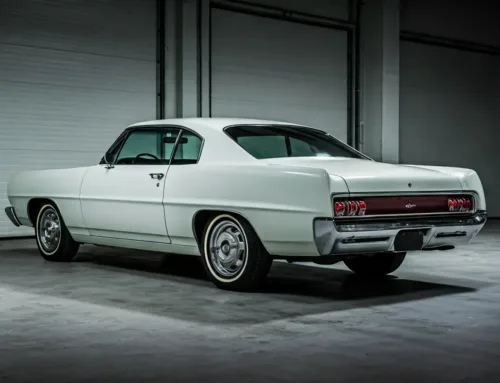
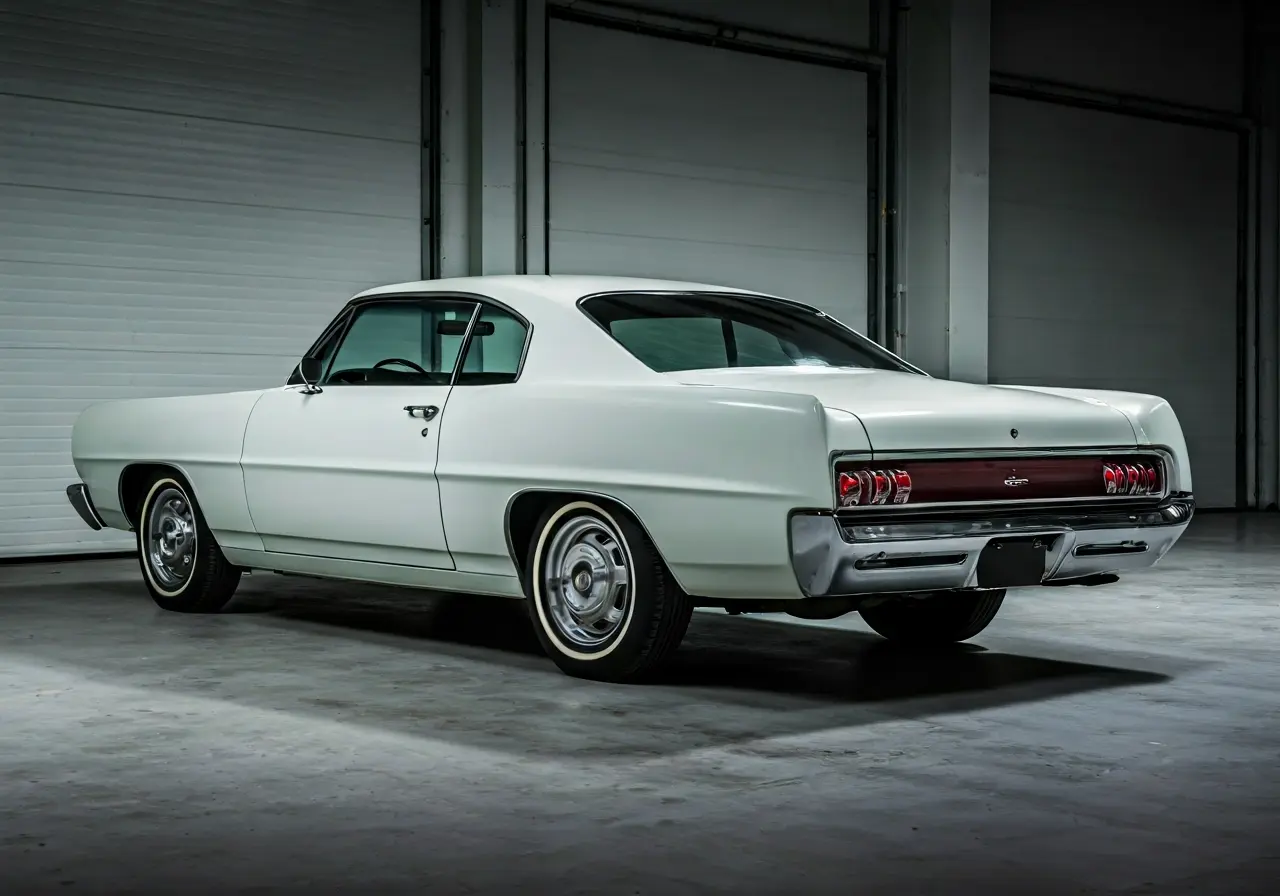
Many assume that only new cars need protection, but plans can provide value for older vehicles too, by covering the costs of repairs that often come with age. Older vehicles are more susceptible to mechanical issues that might not be a concern for newer models. By investing in an auto protection plan, owners of older cars can save significantly on unexpected repairs. This isn’t just about safeguarding your investment; it’s about maintaining your car’s performance and extending its lifespan.
Moreover, considering that older car models may lack modern technological advancements making repairs potentially more arduous and expensive, having a targeted protection plan for older cars becomes valuable. As vehicles age, they inevitably become more prone to breakdowns, which results in a higher likelihood of incurring repair costs. Many protection plans are structured to address the specific challenges faced by older automobiles, while also offering flexible options to match the evolving needs of the vehicle as it ages.
Furthermore, protection plans for older cars are often seen as a strategic move for owners keen on preservation rather than frequent replacements. They provide peace of mind by ensuring that, in the event of a fault, you won’t be caught by surprise financially, which reinforces the usability and dependability of the vehicle. These plans act not just as a financial safeguard but as a structured approach towards achieving long-lasting reliability and satisfaction from your car.
3. Dealerships Are the Only Source for Protection Plans
While dealerships offer plans, there are independent providers who can give you diverse options and potentially better rates. Exploring independent providers can sometimes lead to finding plans that more accurately fit your specific vehicle usage and financial requirements. Many of these independent companies can be more flexible in their offerings and can even cater to those with vehicles that might not be covered under more generic dealership-based plans.
Customers might find that by broadening their search beyond dealerships, they have the opportunity to compare more varied and competitive pricing, as well as perhaps discover coverage nuances that might offer more tailored protections. It’s a smart financial move to weigh options across different providers, as this comparison can reveal the specific elements of coverage that are most beneficial for your car and driving needs. Moreover, you might find that some providers offer specialized coverage for things like aftermarket modifications or uncommon car brands—something not typically provided by dealerships.
Navigating these various options can empower you as a vehicle owner, enabling more informed decisions that truly match personal and vehicular needs. Independent providers often deliver extended warranties that cater to a broader audience, offering peace of mind that dealerships may not always be able to affordably supply.






Leave A Comment